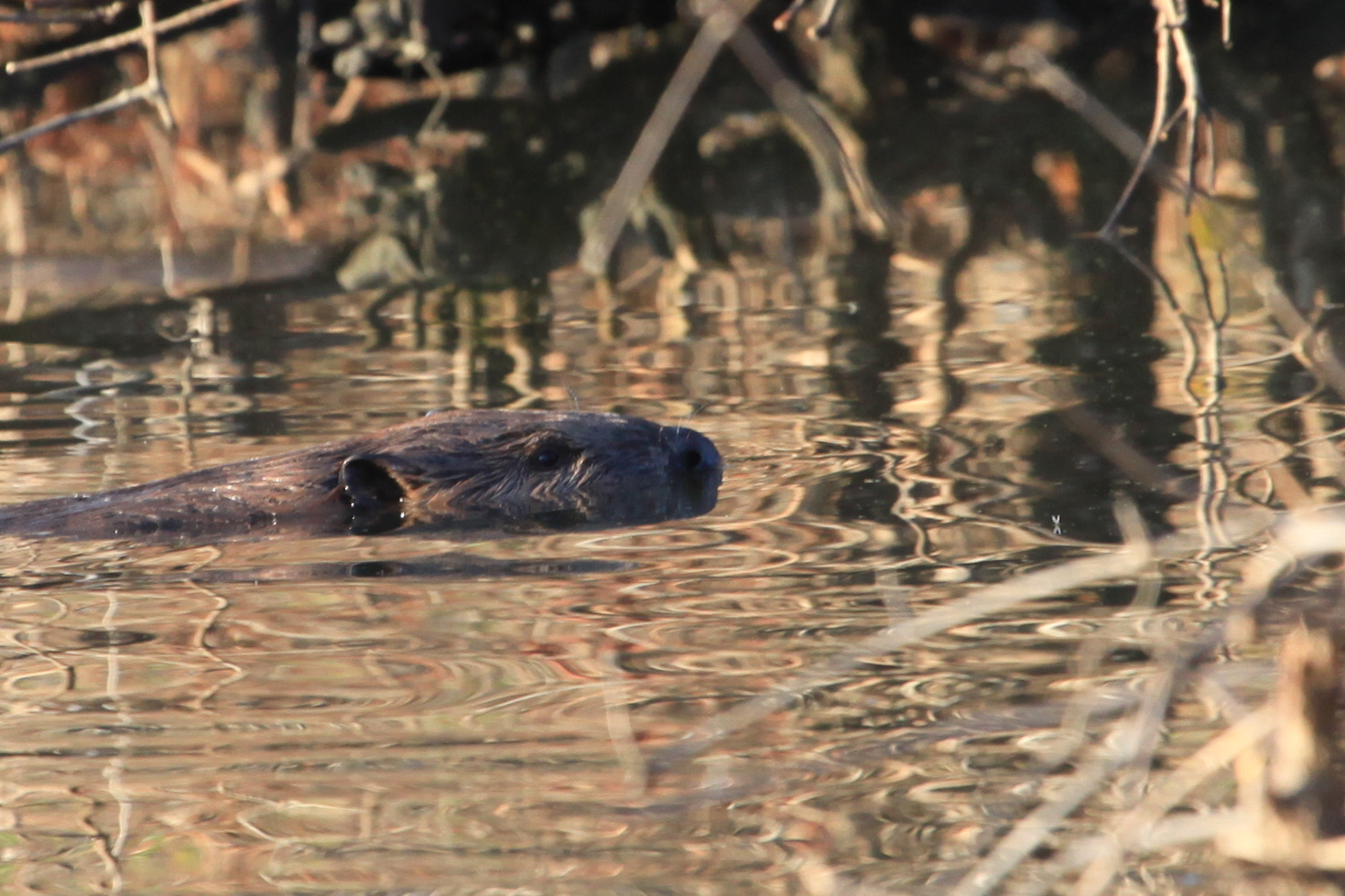
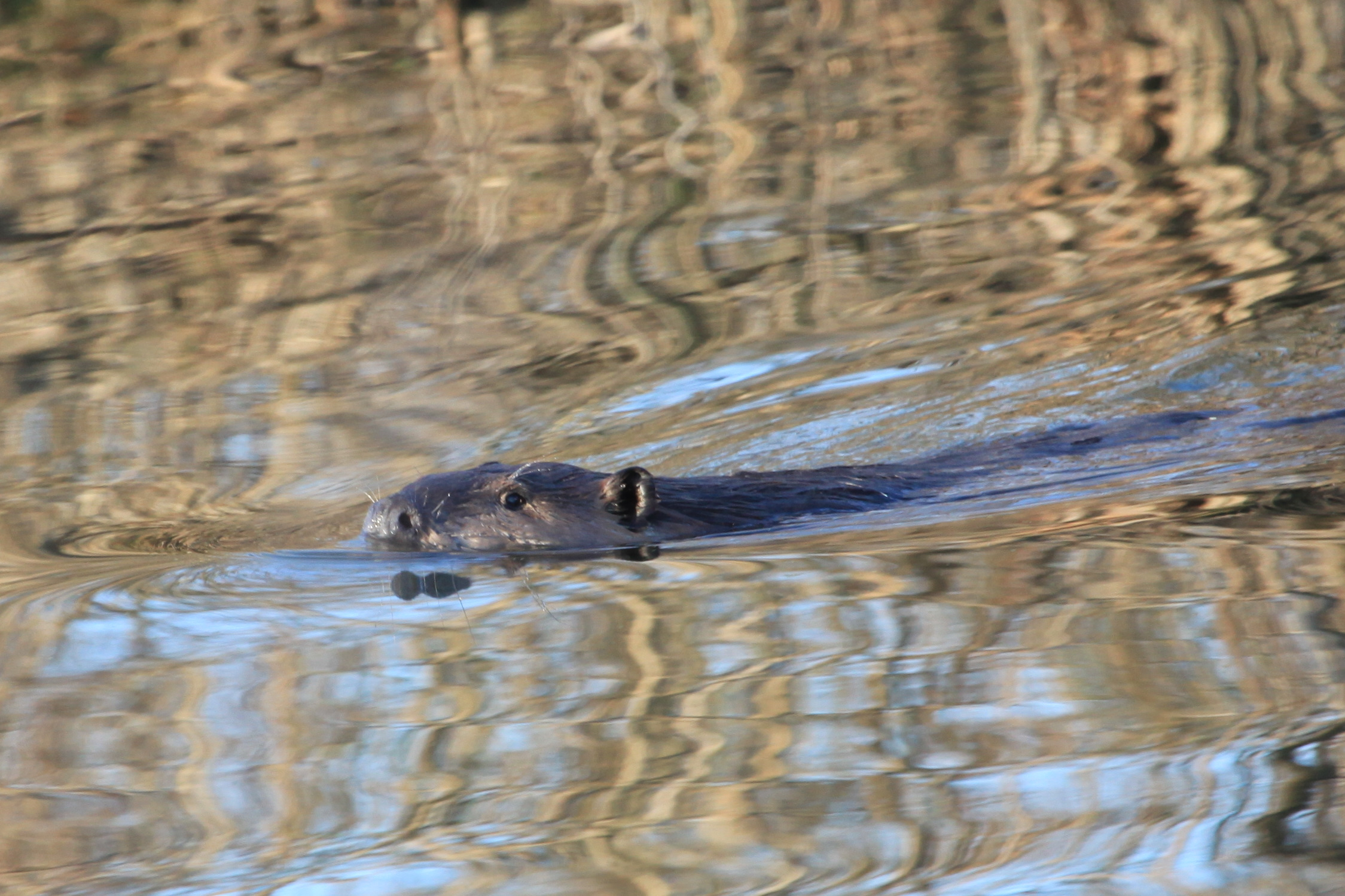
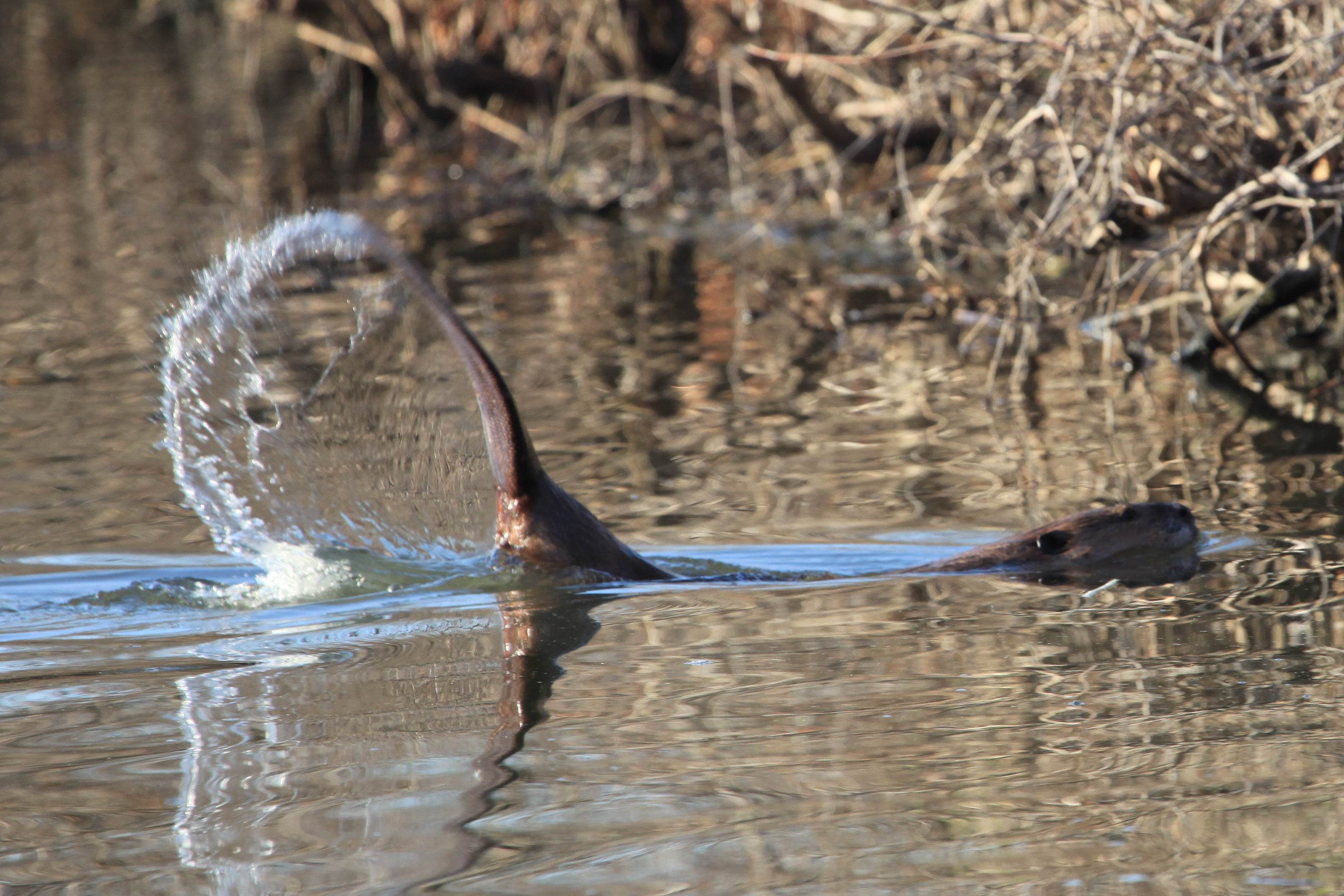
Doing my part to upset the beavers. There was a great deal of tail-slapping going on, so I took the hint and went on my way. Click on pictures to enlarge.
© Chris Taylor
© Chris Taylor
© Chris Taylor

© Chris Taylor
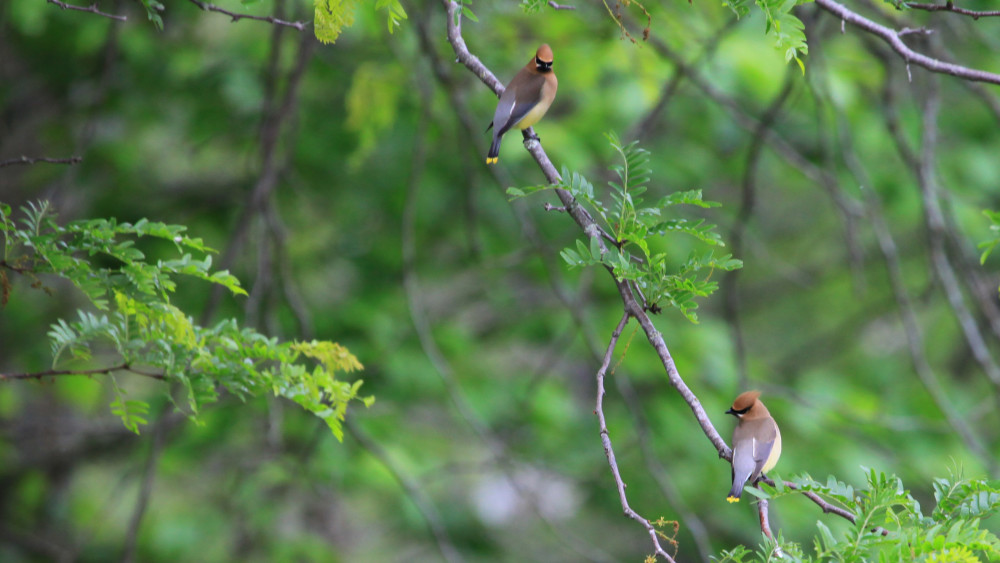
Doing my part to upset the beavers. There was a great deal of tail-slapping going on, so I took the hint and went on my way. Click on pictures to enlarge.
© Chris Taylor
© Chris Taylor
© Chris Taylor
© Chris Taylor
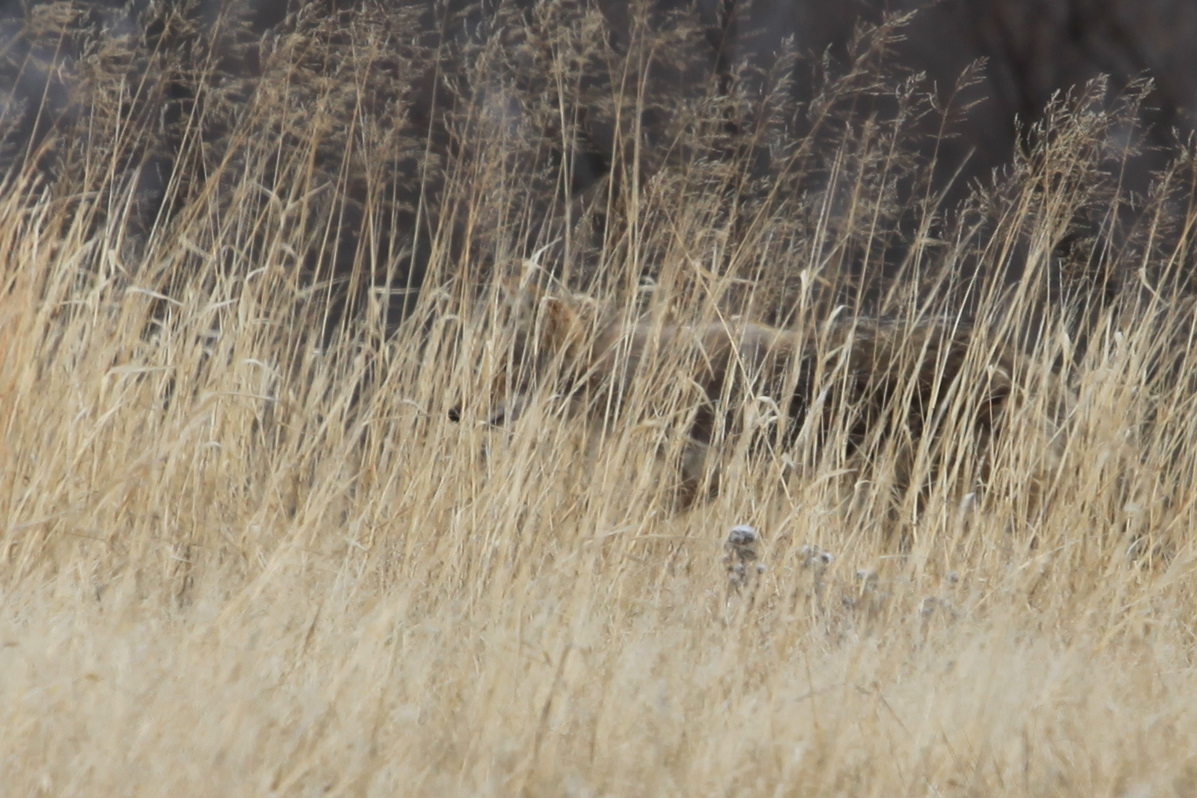
I particularly want to highlight coyotes because they are in more danger than ever from this administration and wildlife “management” agencies propelled by junk science and blood lust who think they have a mandate for destruction. An administration hell bent on plundering natural resources and destroying more public land for animal agriculture is going to be even worse about attempting to destroy those they see as “scavengers” or “predators.” Celebrate the coyote. Click on pictures to enlarge.

© Chris Taylor

© Chris Taylor
© Chris Taylor

© Chris Taylor
Finally, I am getting around to getting out to the Wetlands a bit more regularly. I always look forward to cold mornings when there are just a few humans on the paths. We nod at each other and sometimes share our stories of who we have been seeing. It is a kind of quiet community, and I would venture to say, one that brings some peace to many of us worrying about the current state of things. While we may not know what is coming, one thing I am sure about is my commitment to keep sharing and hoping more humans pay attention. Click on pictures to enlarge.
Not a great a picture, but I wanted to share this because I think this bald eagle couple might be contemplating a nest here. This would be a wonderful addition to the wetlands, and it looks like good real estate!

© Chris Taylor
Northern Harrier trying to outmaneuver a group of sandpipers and a killdeer. They got away.

© Chris Taylor
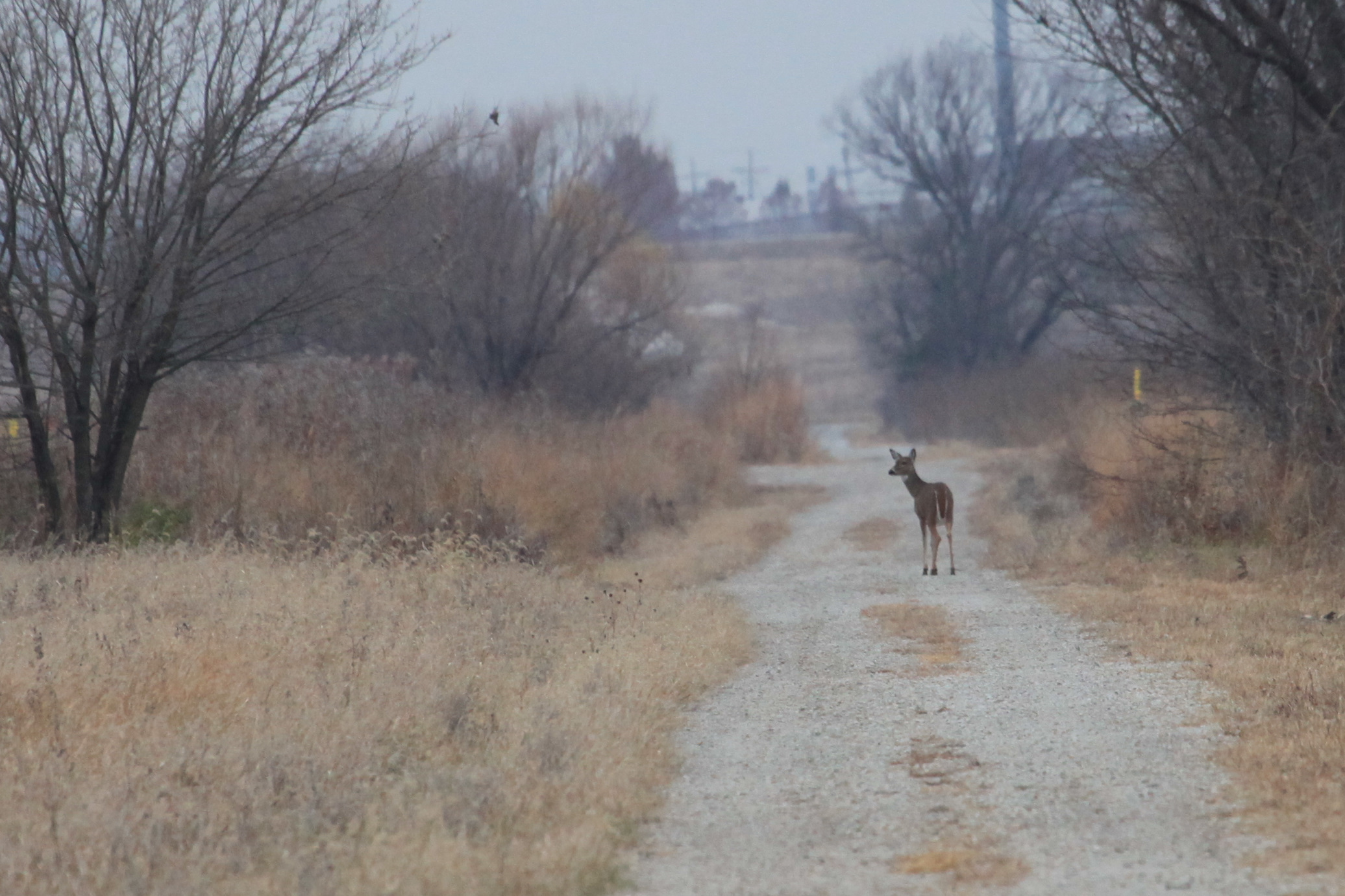
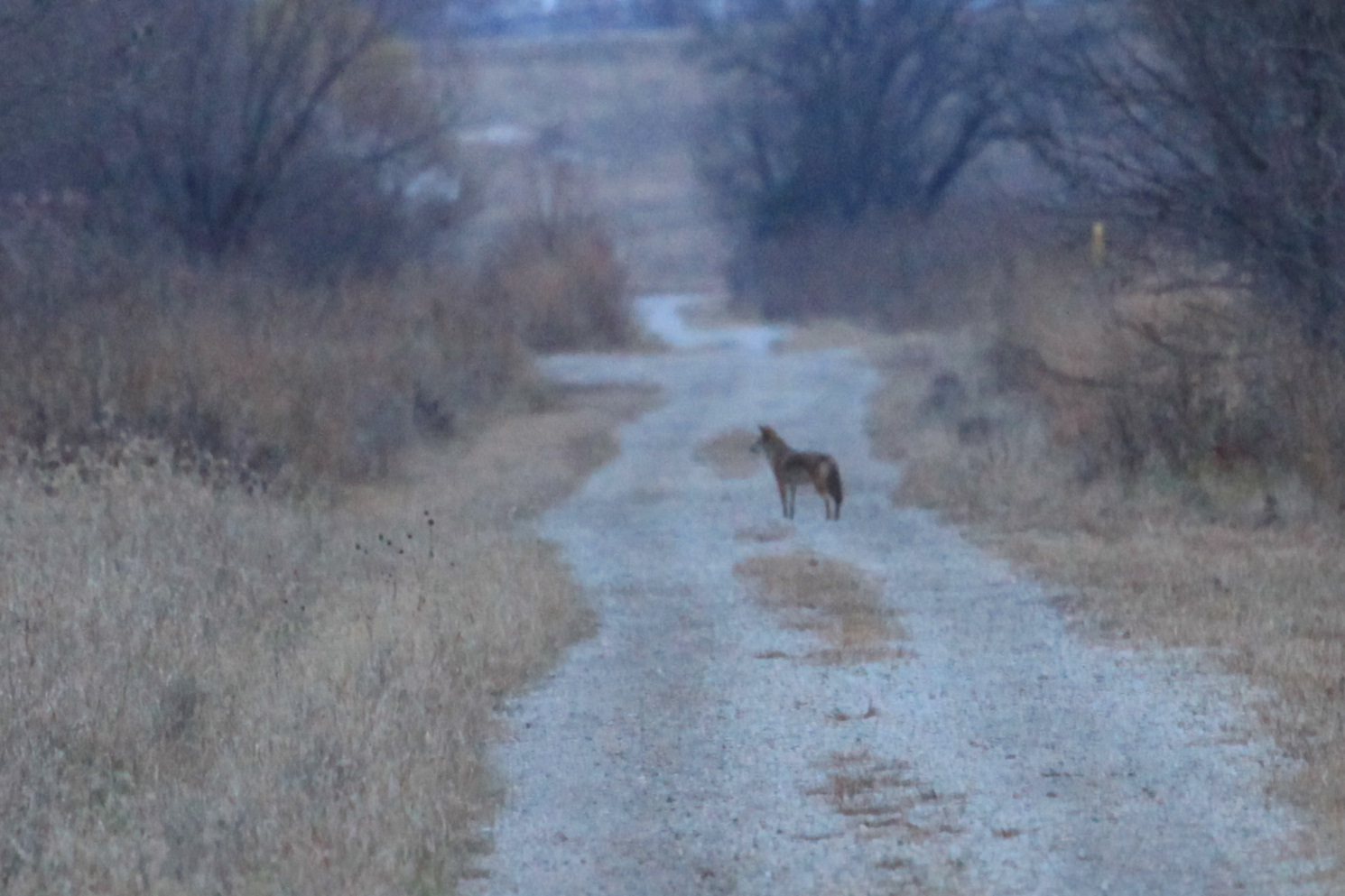
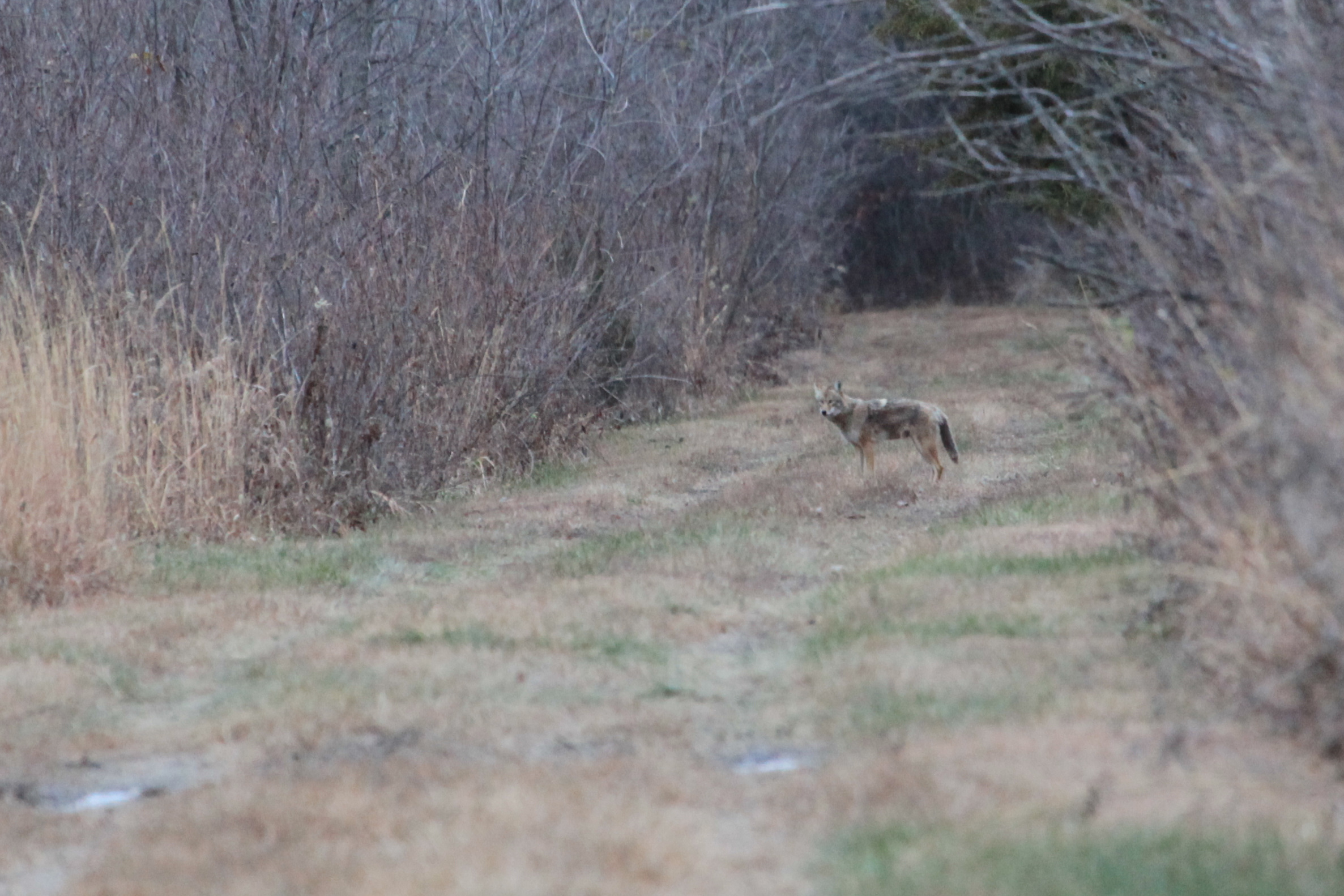
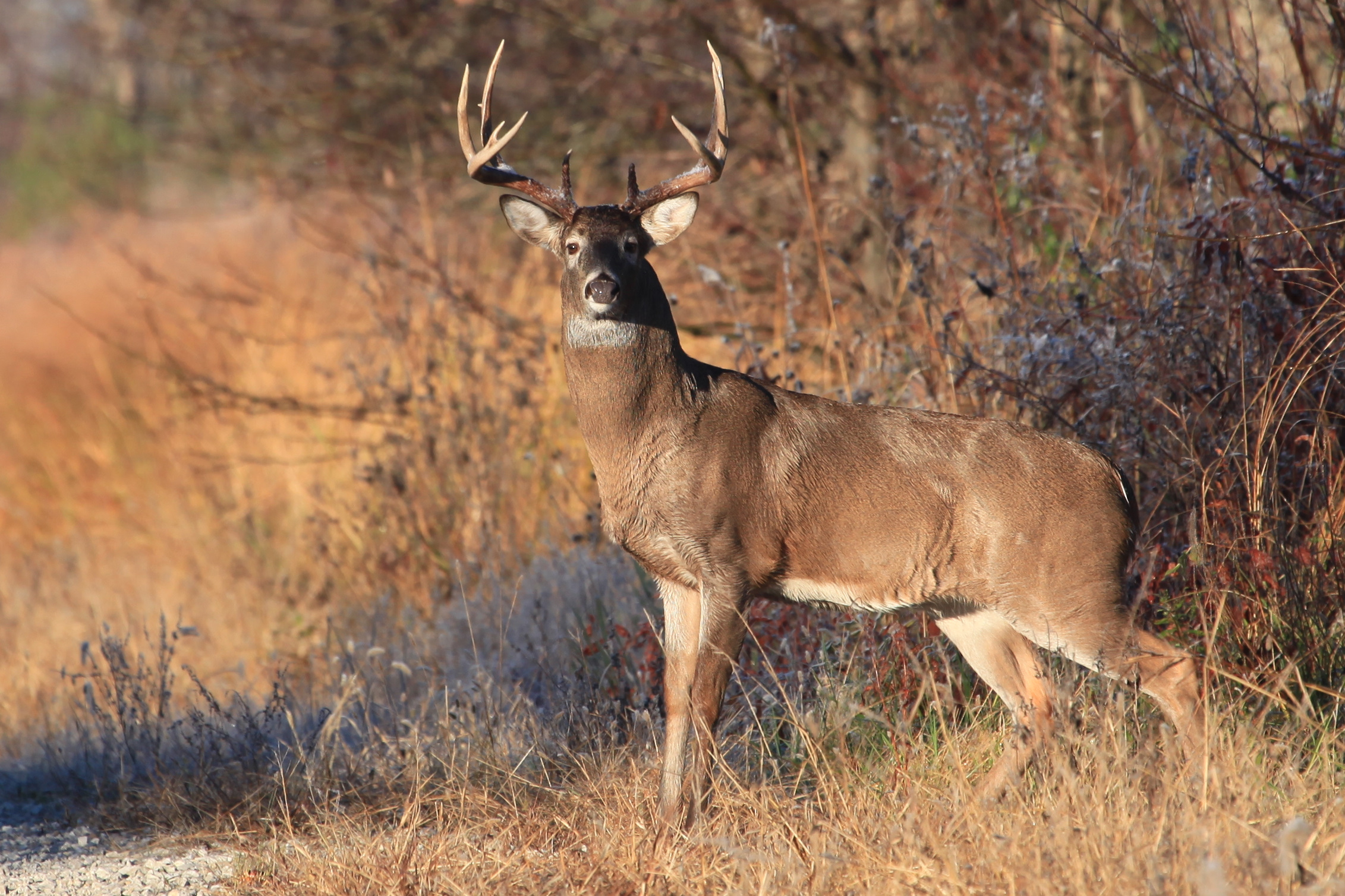
Deer and coyotes.
© Chris Taylor
© Chris Taylor
© Chris Taylor
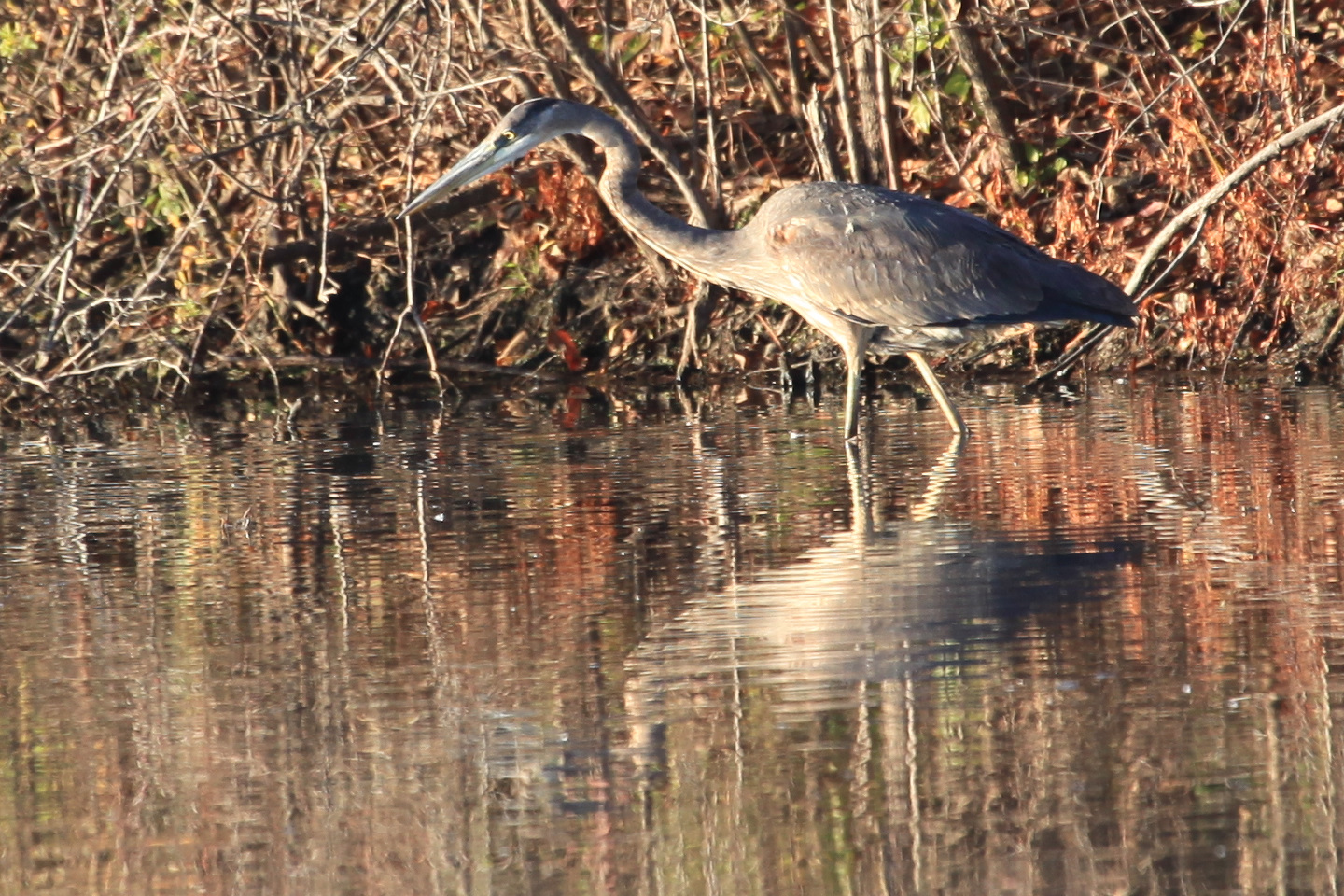
Bluebirds, goldfinches, and herons, oh my.

© Chris Taylor

© Chris Taylor
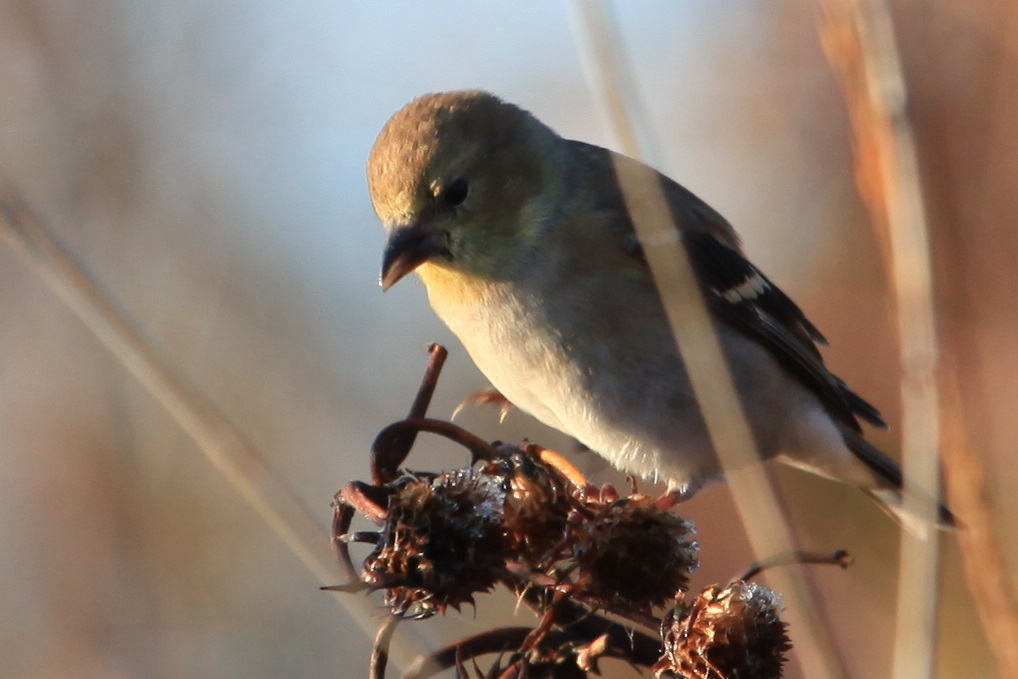
© Chris Taylor
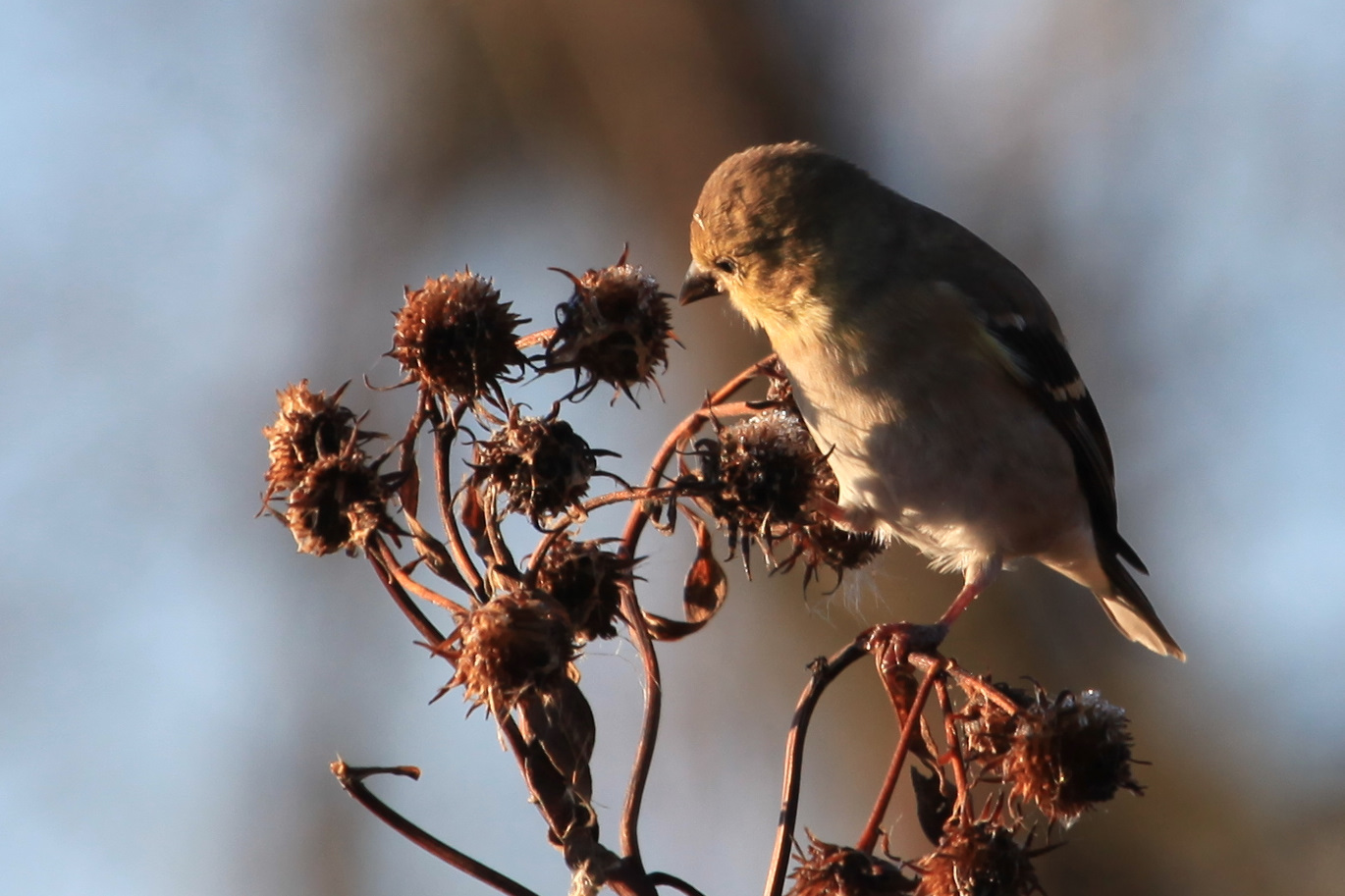
© Chris Taylor
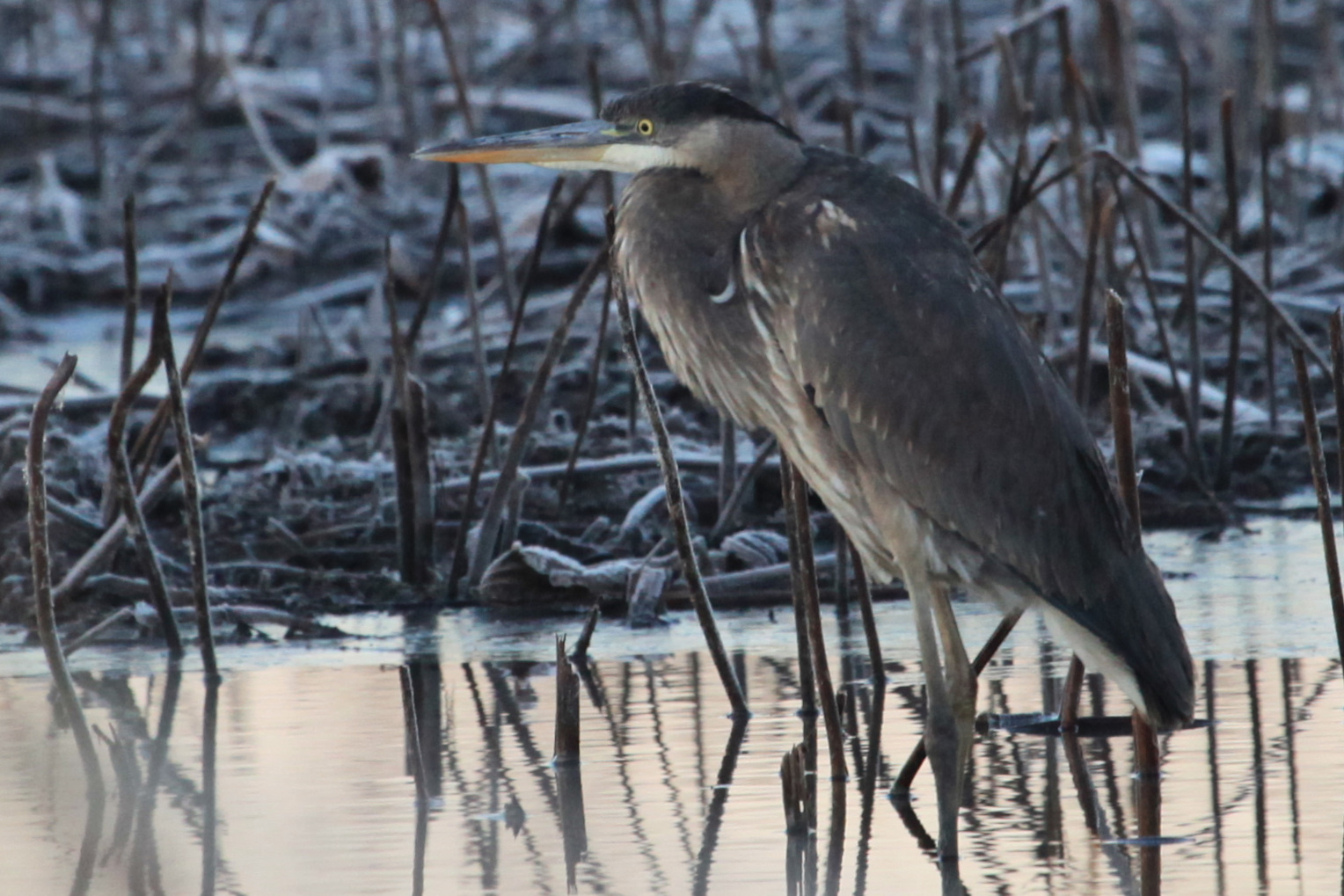
© Chris Taylor
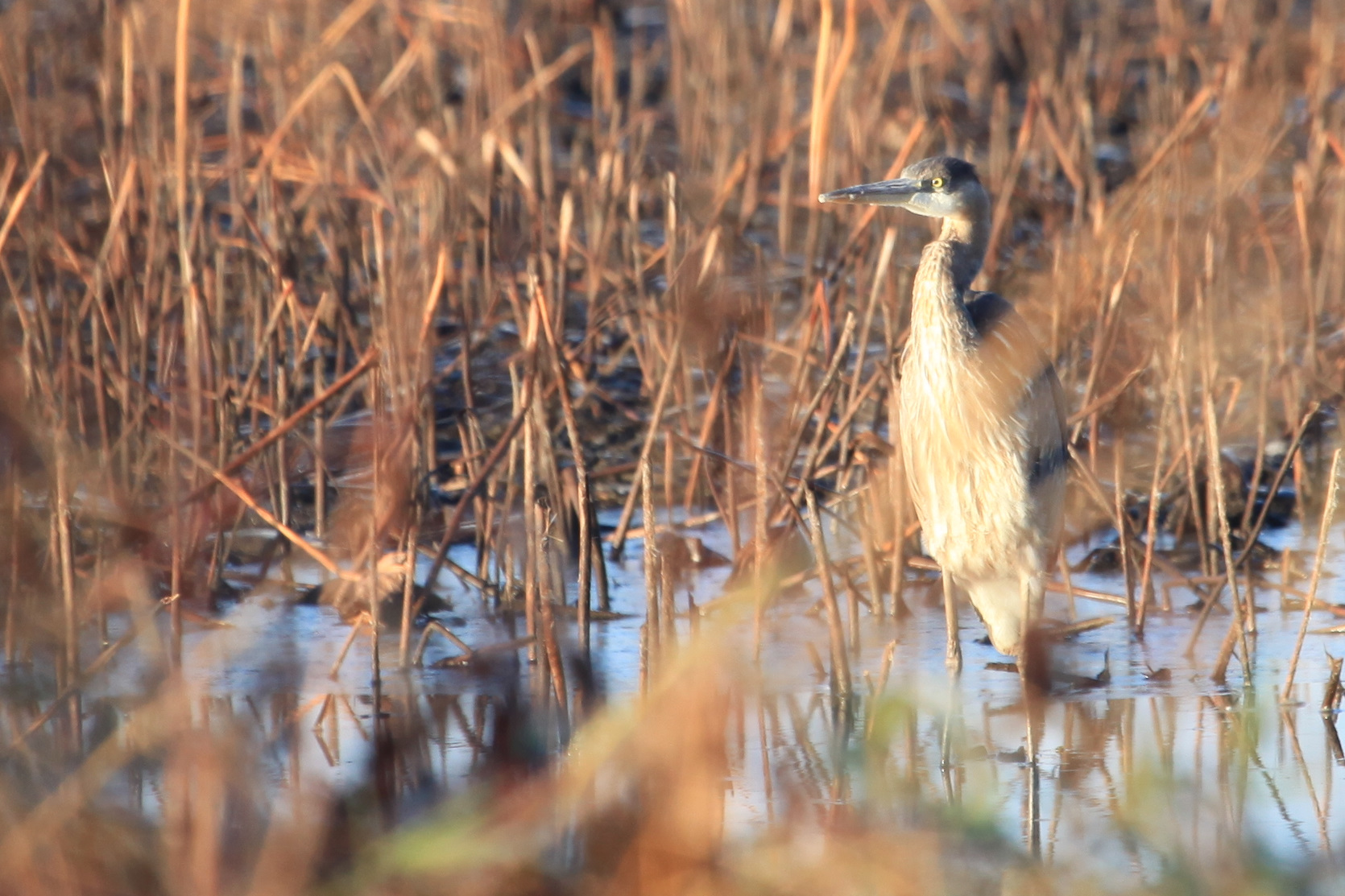
© Chris Taylor

© Chris Taylor
It is that time of year again when I have trouble staying at my desk and getting my work done. The number of migrants at the Wakarusa Wetlands has been astounding. And, of course, the year-round residents like the deer and bald eagles are always a pleasure to see. Click on pictures to enlarge.

© Chris Taylor
© Chris Taylor

© Chris Taylor
© Chris Taylor

© Chris Taylor
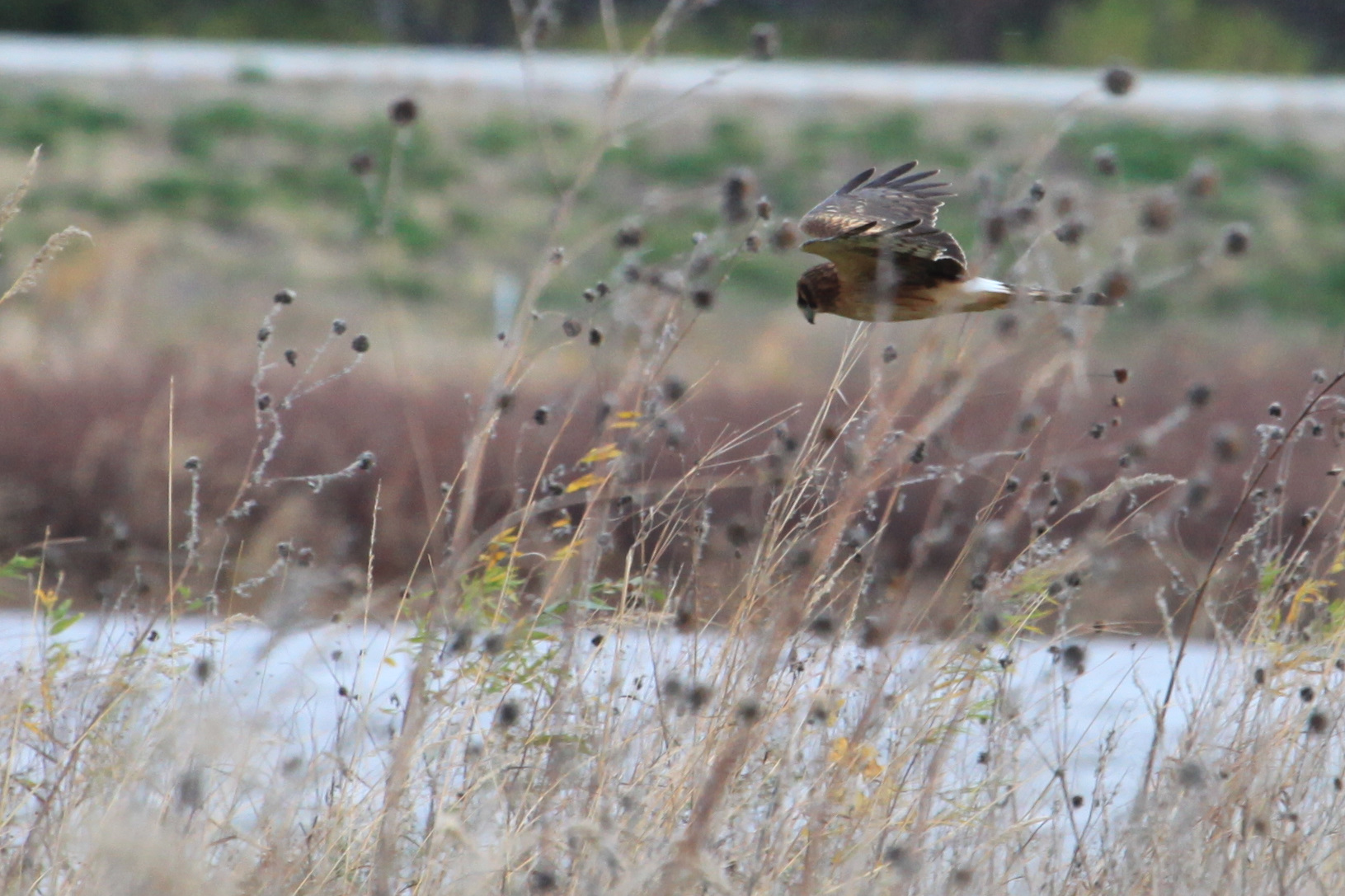
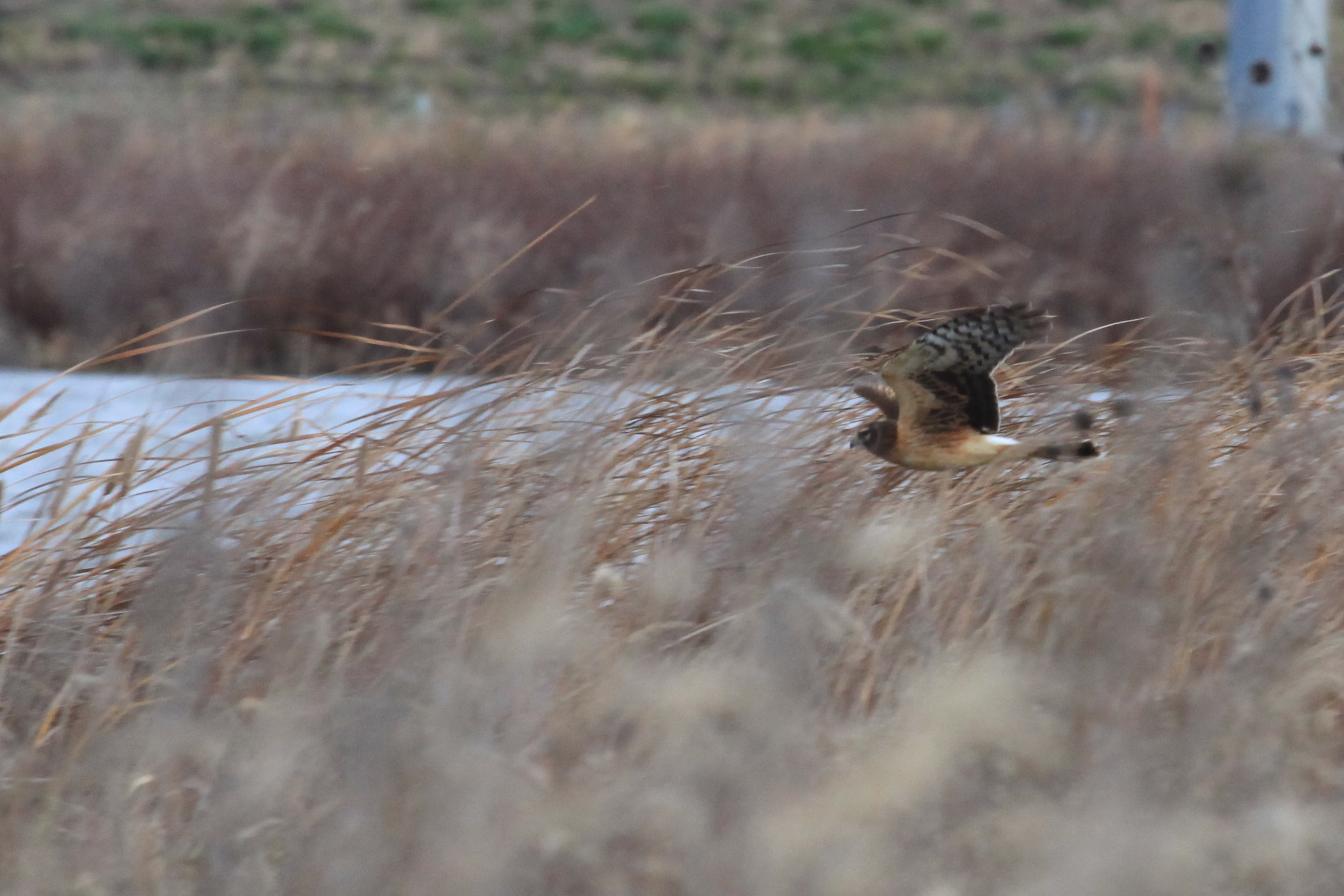
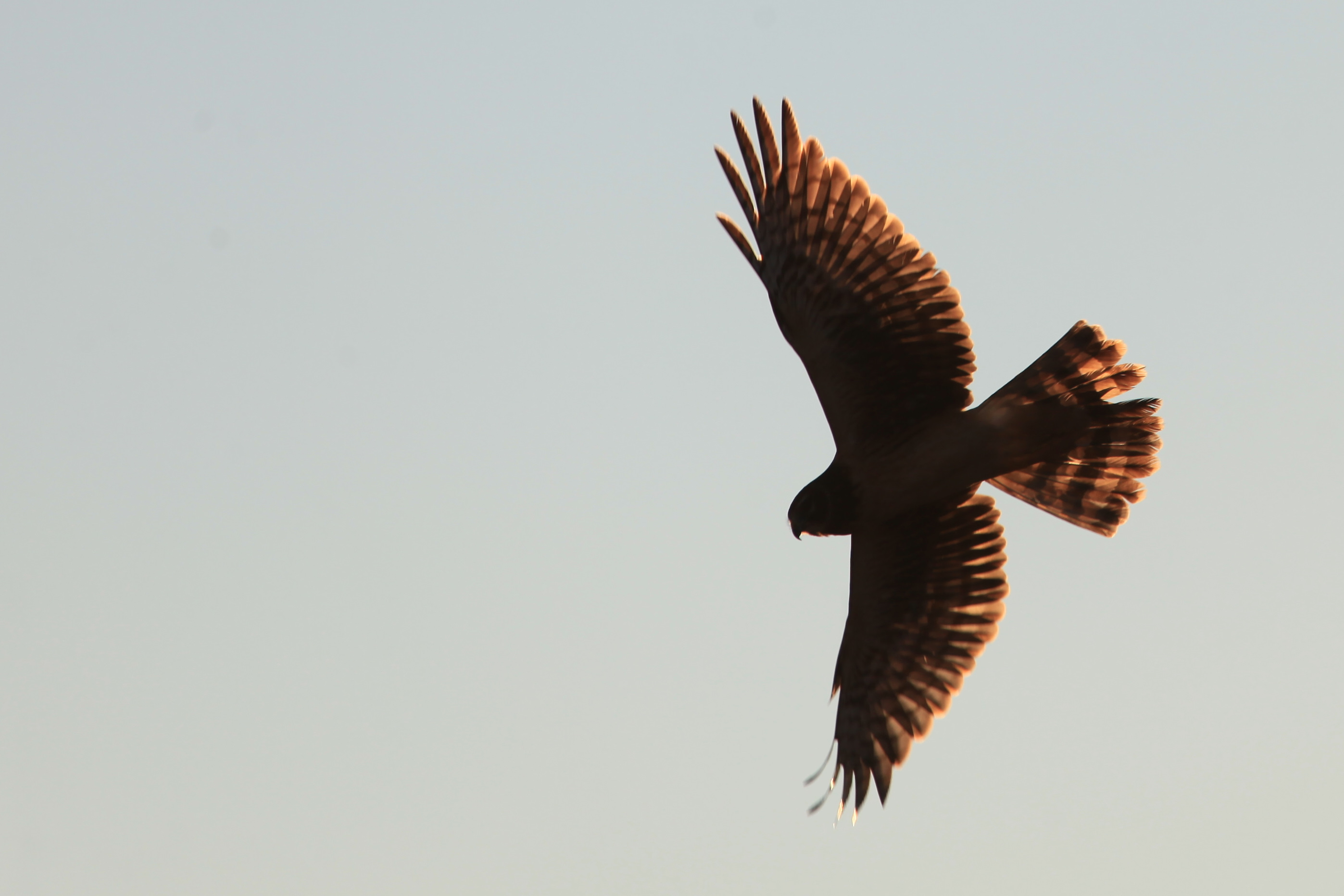
The Northern Harriers are back in all of their amazingness. I love watching them skim along the top of the grass. Yesterday, it was especially fun to watch how they were using the wind to their advantage by facing into it, and hovering almost motionless just inches from the ground. This morning, I was taking pictures of the sunrise from behind the tall grass and one was hovering right in front of me. Unfortunately, since the sun was behind him, I did not get much detail of his amazing face, but it certainly was fun to watch him so closely. Click on pictures to enlarge.
© Chris Taylor

© Chris Taylor
© Chris Taylor

© Chris Taylor
© Chris Taylor

© Chris Taylor
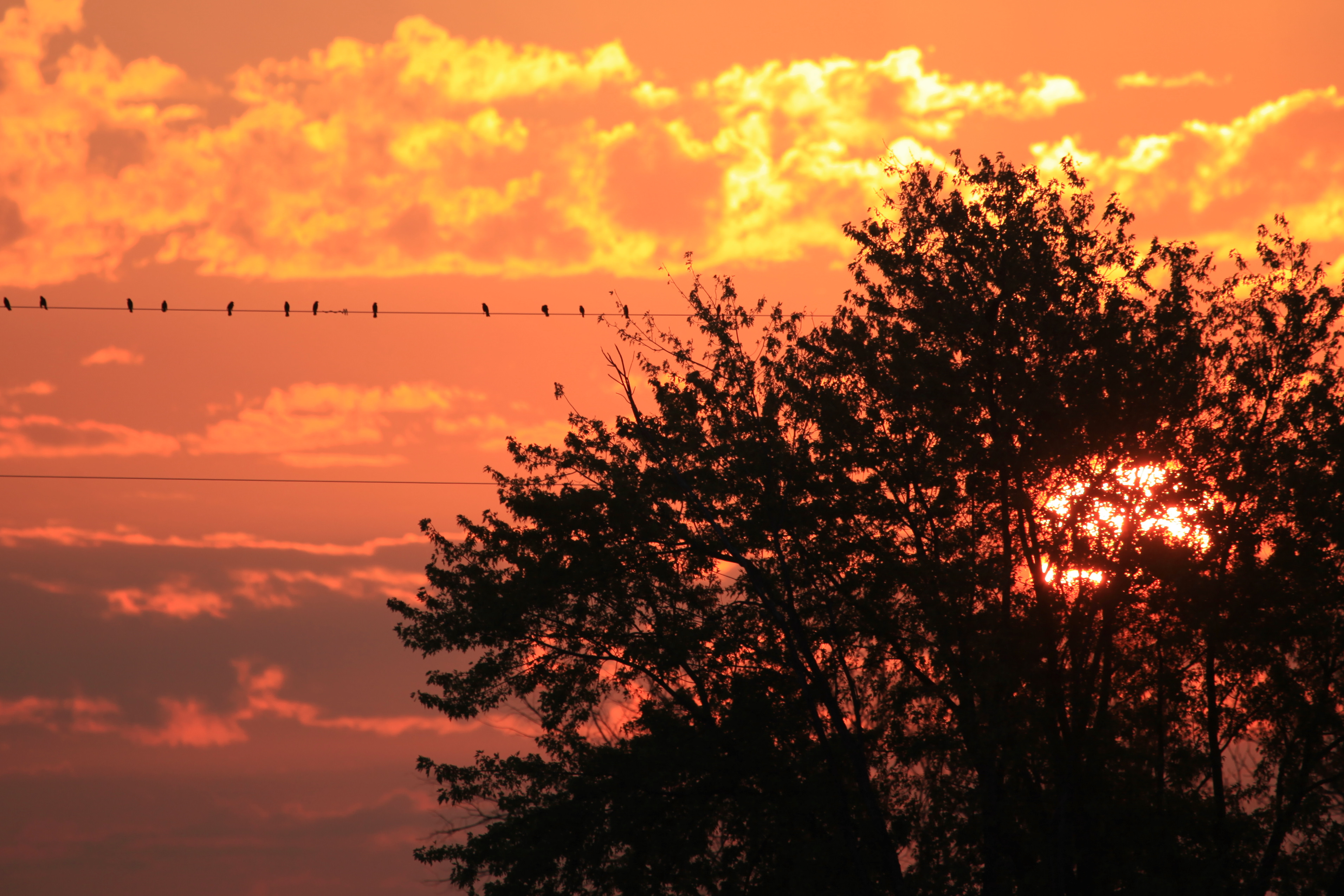
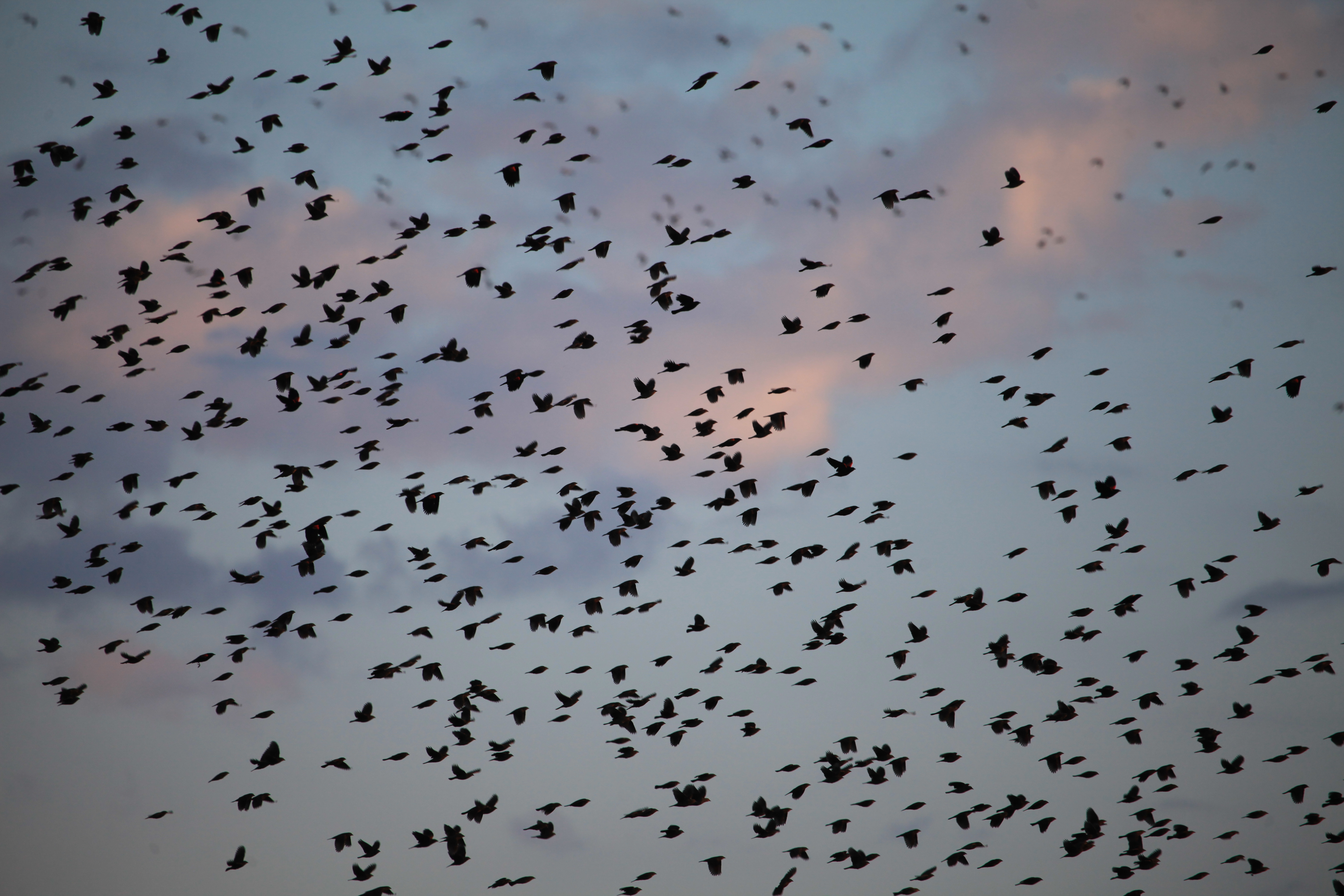
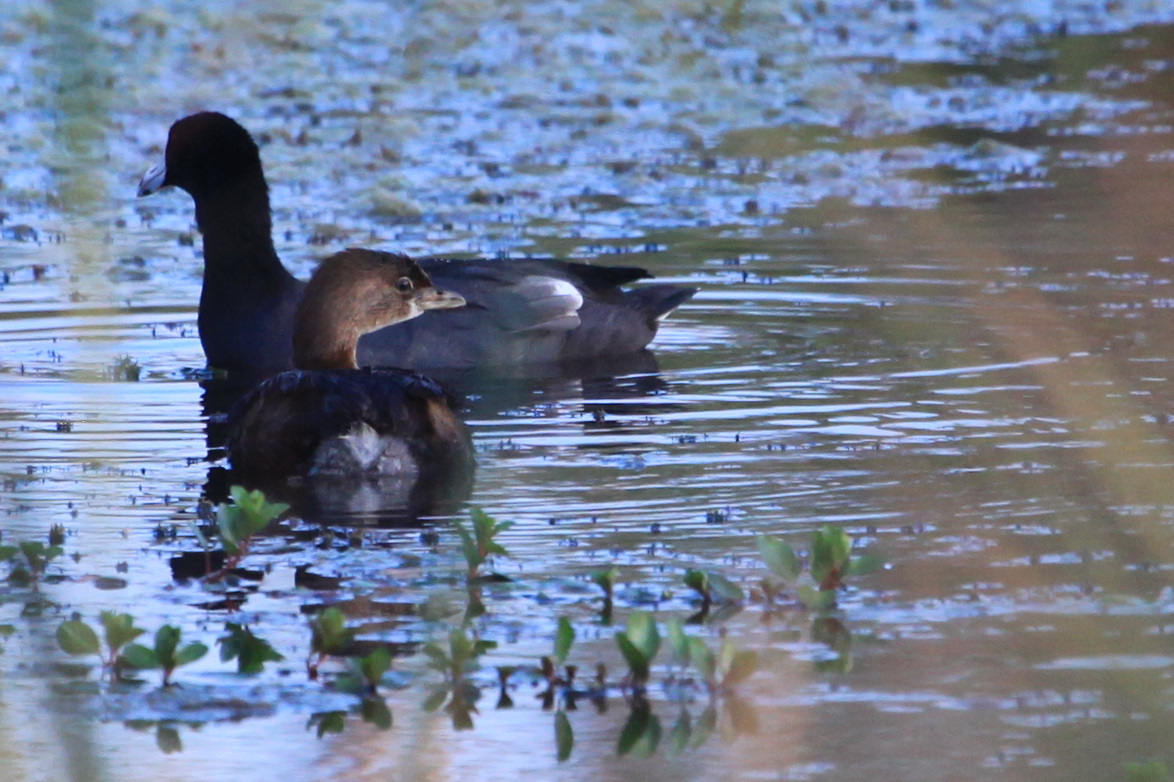
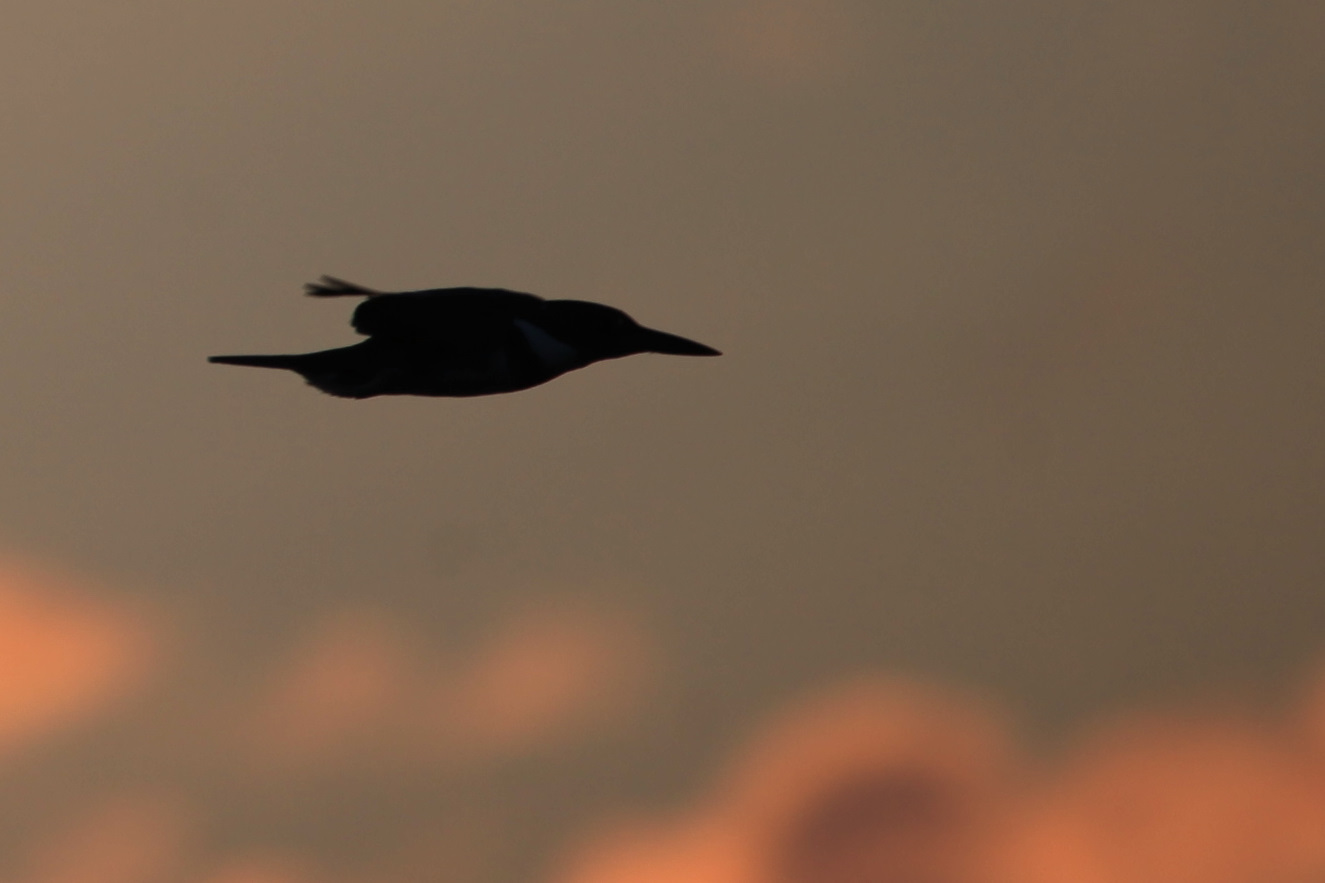
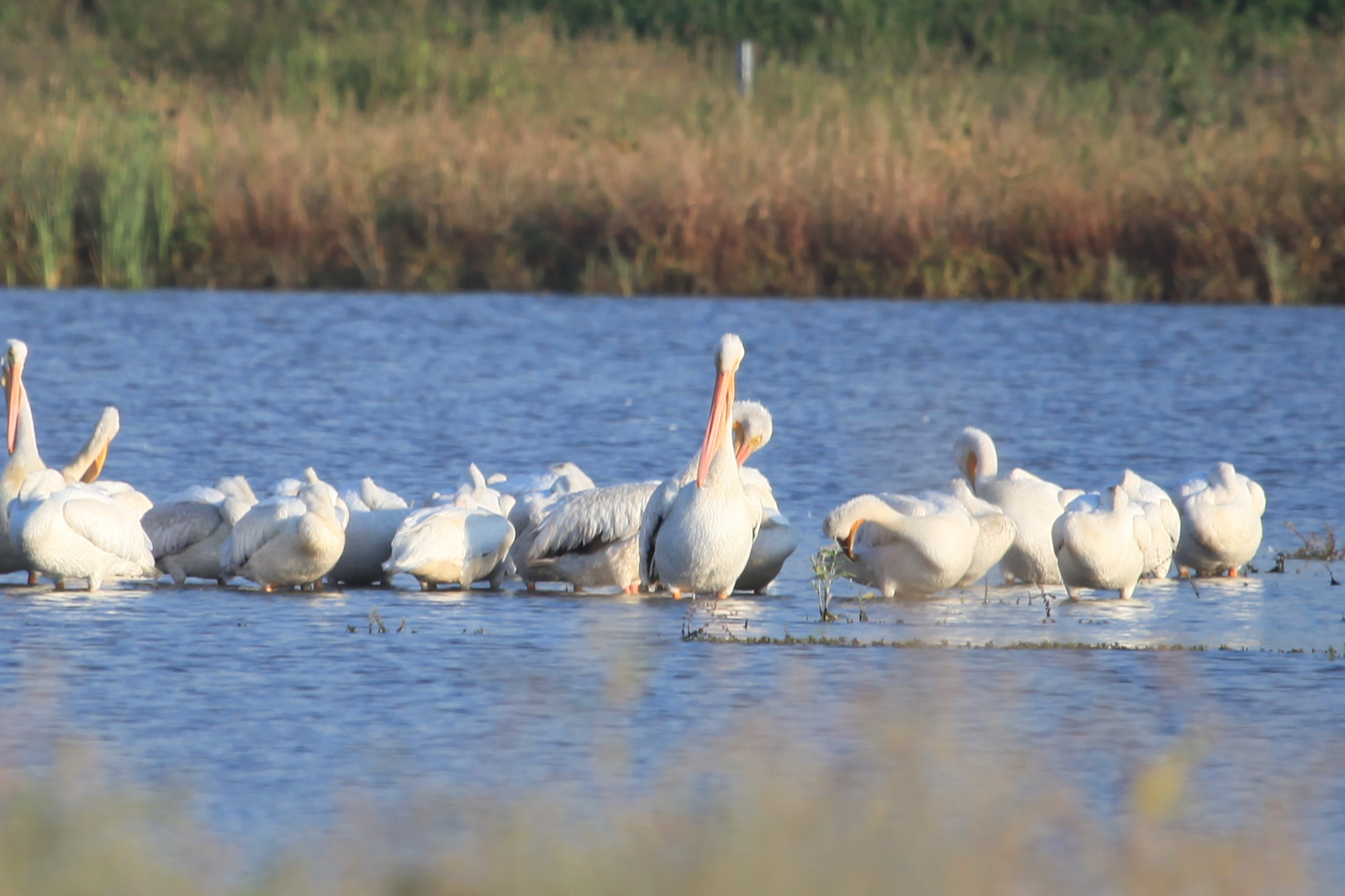
I did not get to the Wakarusa Wetlands much over the summer, but now that we are heading into fall, I plan to do something about that whenever I can. I took a couple of hours off yesterday to see if what I had been hearing about great numbers of pelicans was true. While a road grater scared many of them away right after I got there, a few remained. It is great to see them in this relatively new space (part of the mitigation for the SLT). While I in no way can speak to the anger and betrayal felt by so many regarding this sacred space, I am choosing to focus on making peace with my relationship with this place that has meant so much to me. I hope it will continue to be a place of relative safety for the beings who live there, and I hope that migrants continue to find it a restful and nourishing spot in the fall and spring. It was wonderful to see thousands of gulls coming through high overhead and the blackbirds were dining on sunflower seeds. A few cormorants were hanging out in a tree, kingfishers patrolled, and grebes dived. Click on pictures to enlarge.
© Chris Taylor

© Chris Taylor
© Chris Taylor

© Chris Taylor
© Chris Taylor
© Chris Taylor
© Chris Taylor
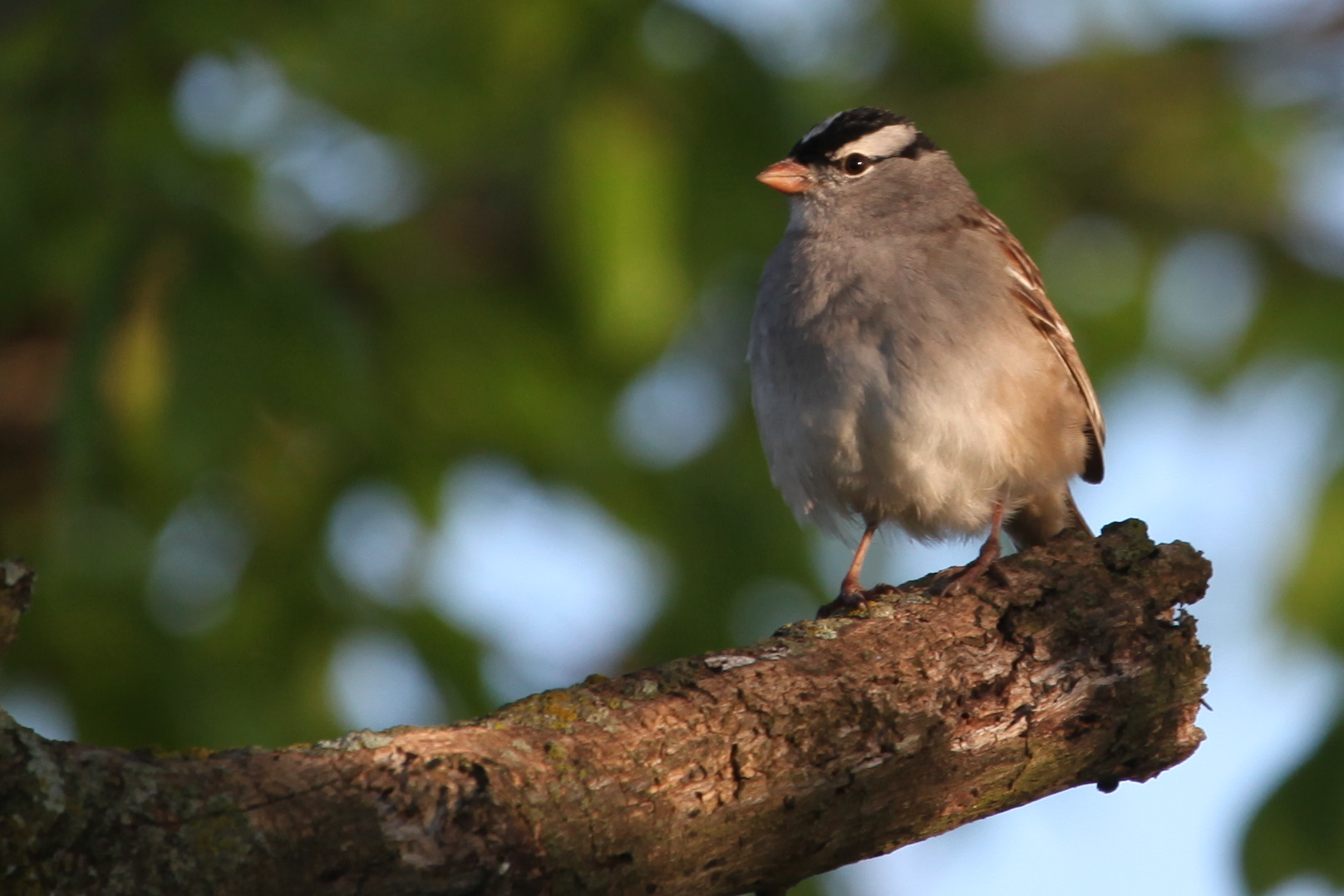
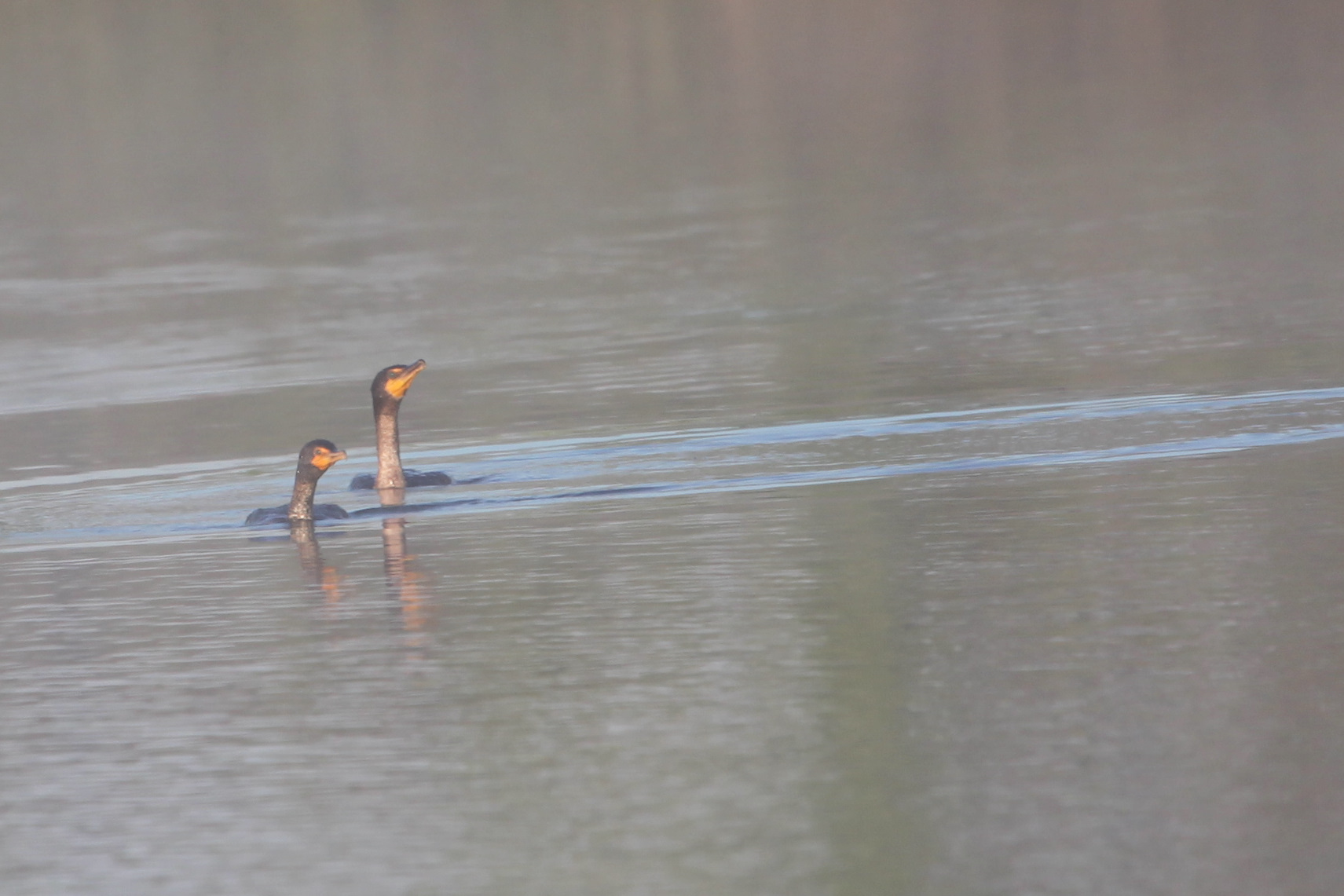
It has been a busy few days at the Wakarusa Wetlands. The wet, cool weather has been especially good for early morning walks. Shorebirds are arriving in abundance and year-round residents are busy staking out territory, courting, and gathering nest materials. Click on pictures to enlarge.

© Chris Taylor

© Chris Taylor
© Chris Taylor

© Chris Taylor
© Chris Taylor

© Chris Taylor
© Chris Taylor
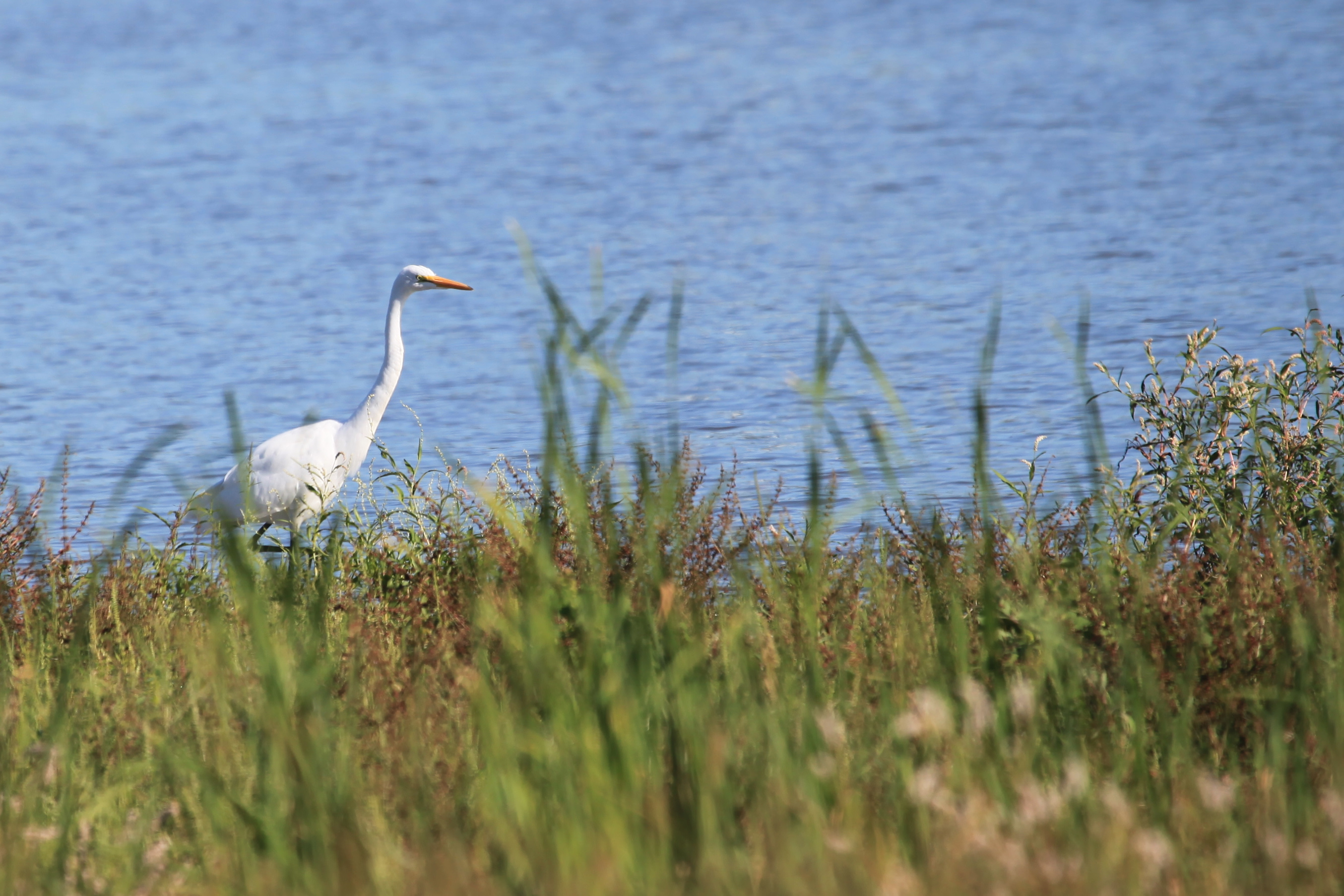
Some areas of the Wakarusa Wetlands south of the work on the SLT are accessible now by car. Click on pictures to enlarge.
© Chris Taylor

© Chris Taylor
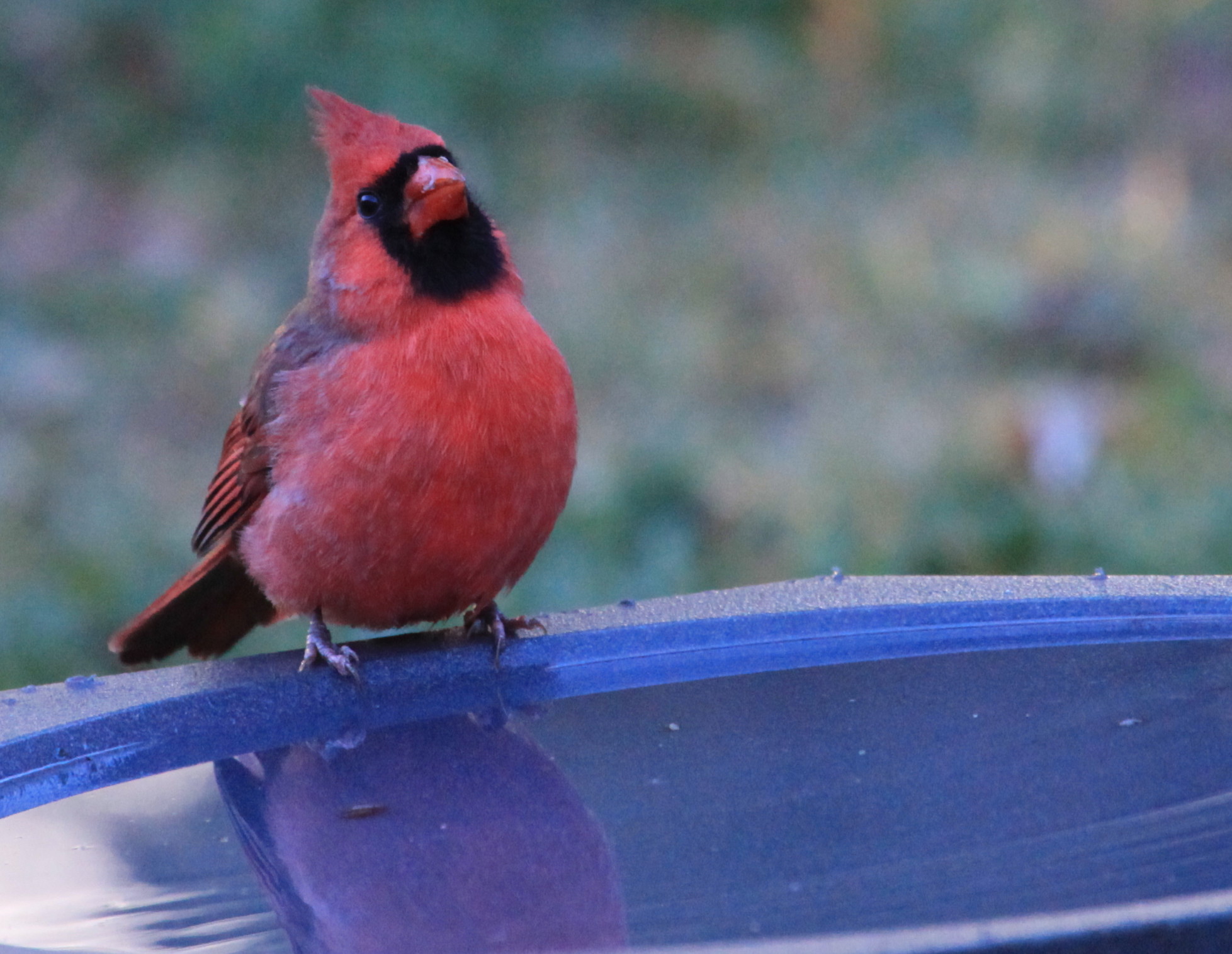
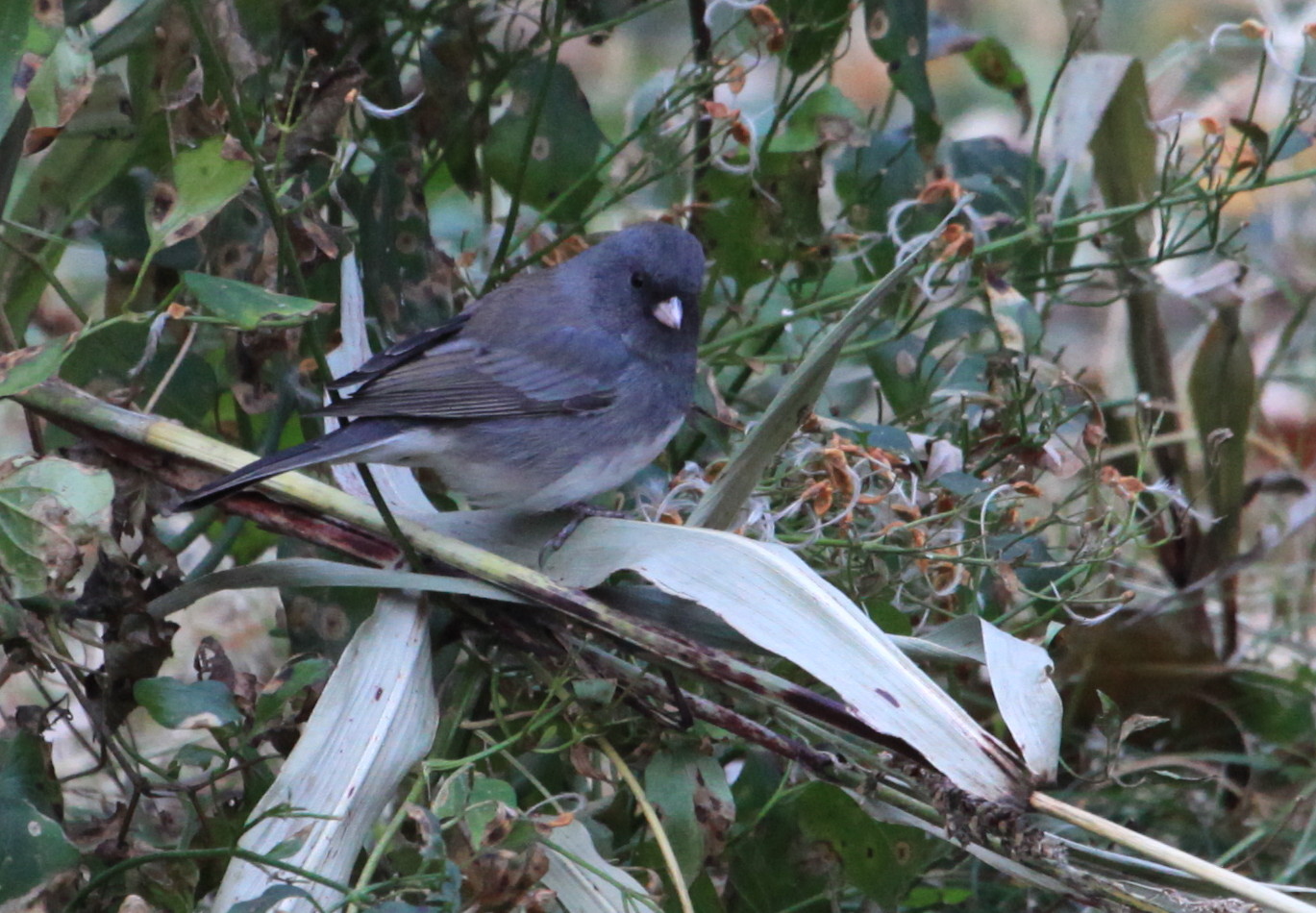
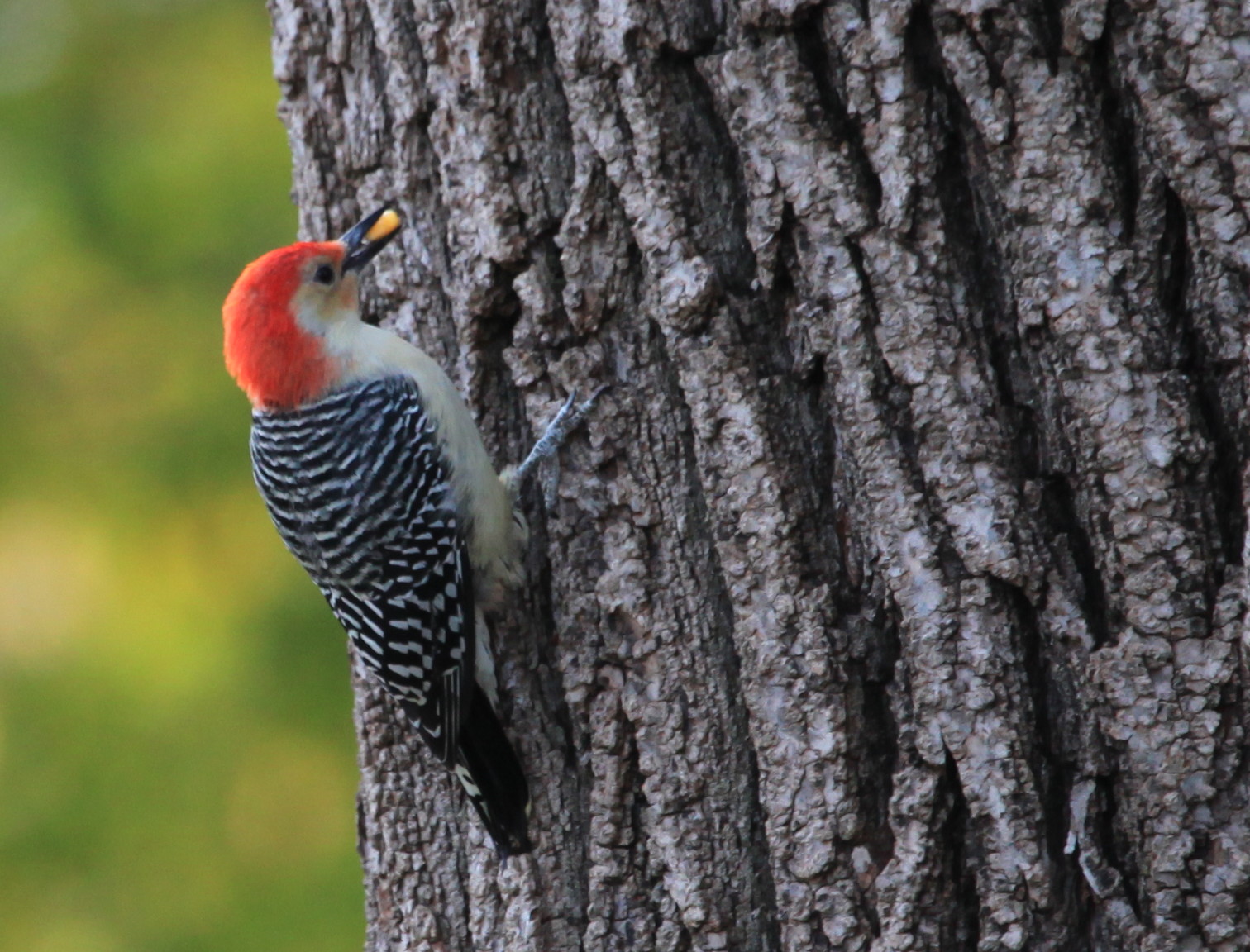
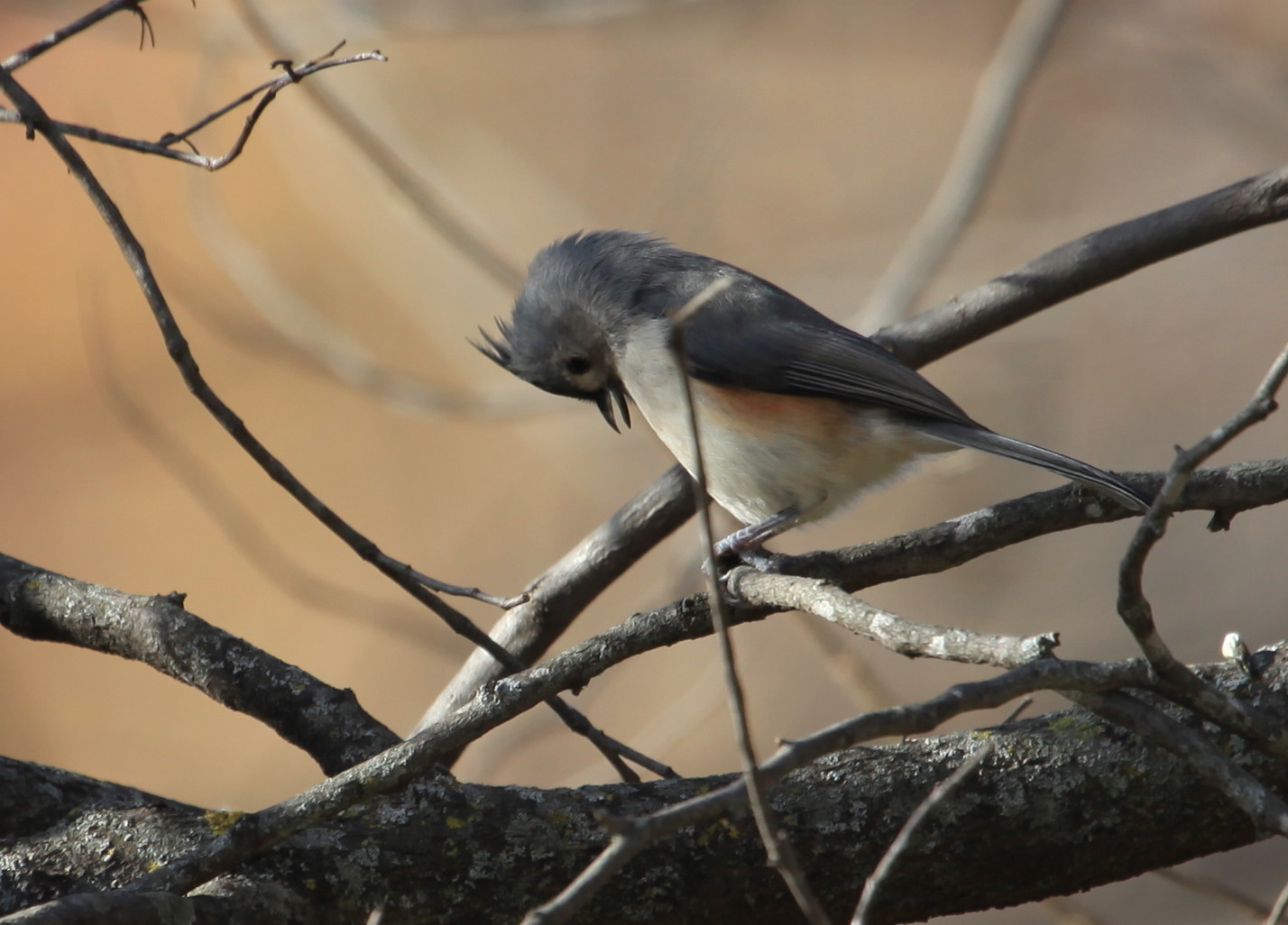
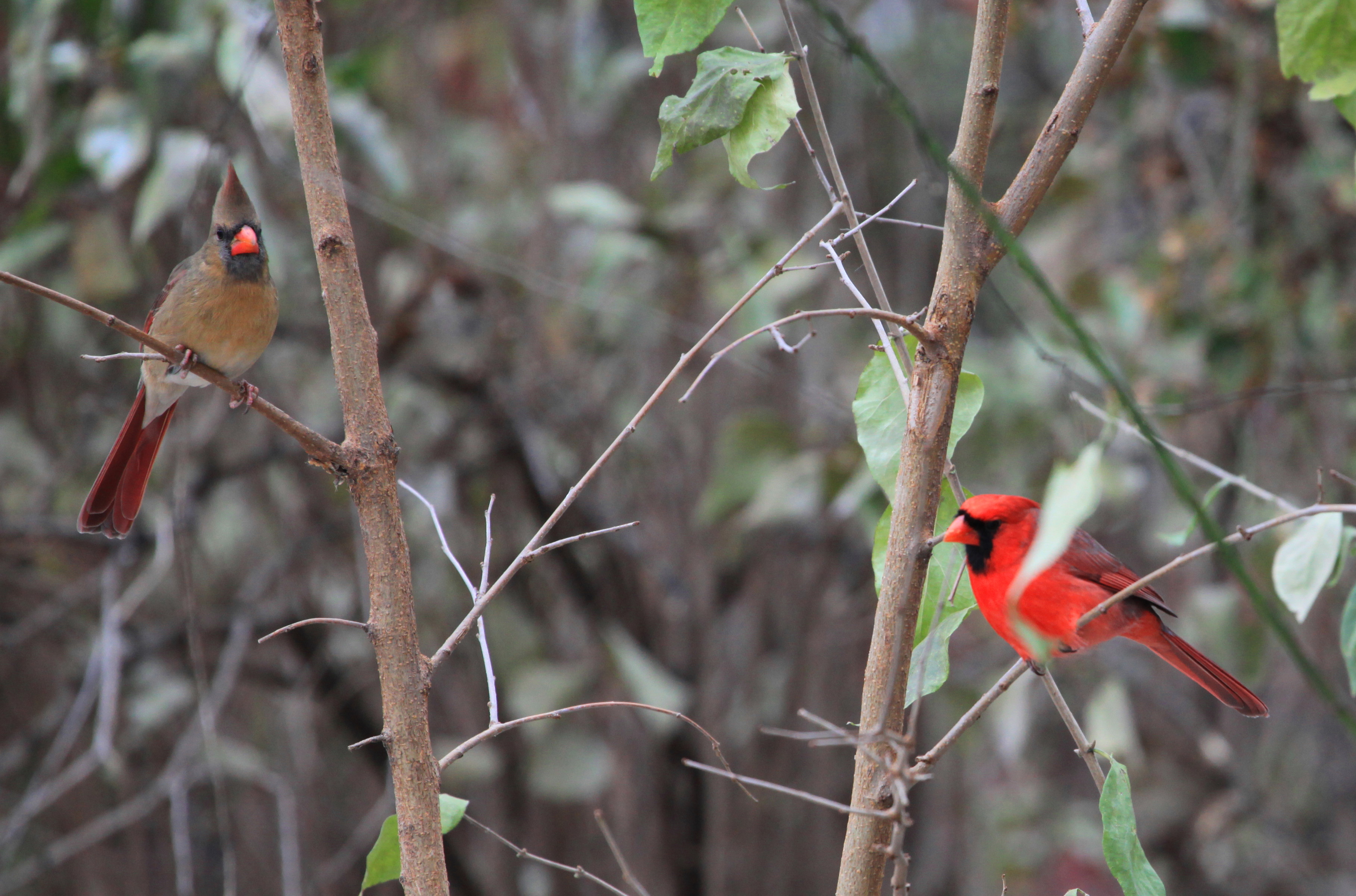
The year-round residents are getting into their winter groups and the winter residents like the juncos are here in abundance. Generally, at this time of year, I would be at the Wakarusa Wetlands four or more mornings a week. I know I am one of many deeply grieving this loss. I hope that those of us who are doing more feeding, putting up more cover, winter roosting boxes, and brush piles, can offset some of the habitat loss these birds are experiencing. Support the work the Haskell Students are doing here: https://www.facebook.com/wetlandspreservationorganization Click on pictures to enlarge.
© Chris Taylor

© Chris Taylor
© Chris Taylor
© Chris Taylor
© Chris Taylor

© Chris Taylor
© Chris Taylor

© Chris Taylor
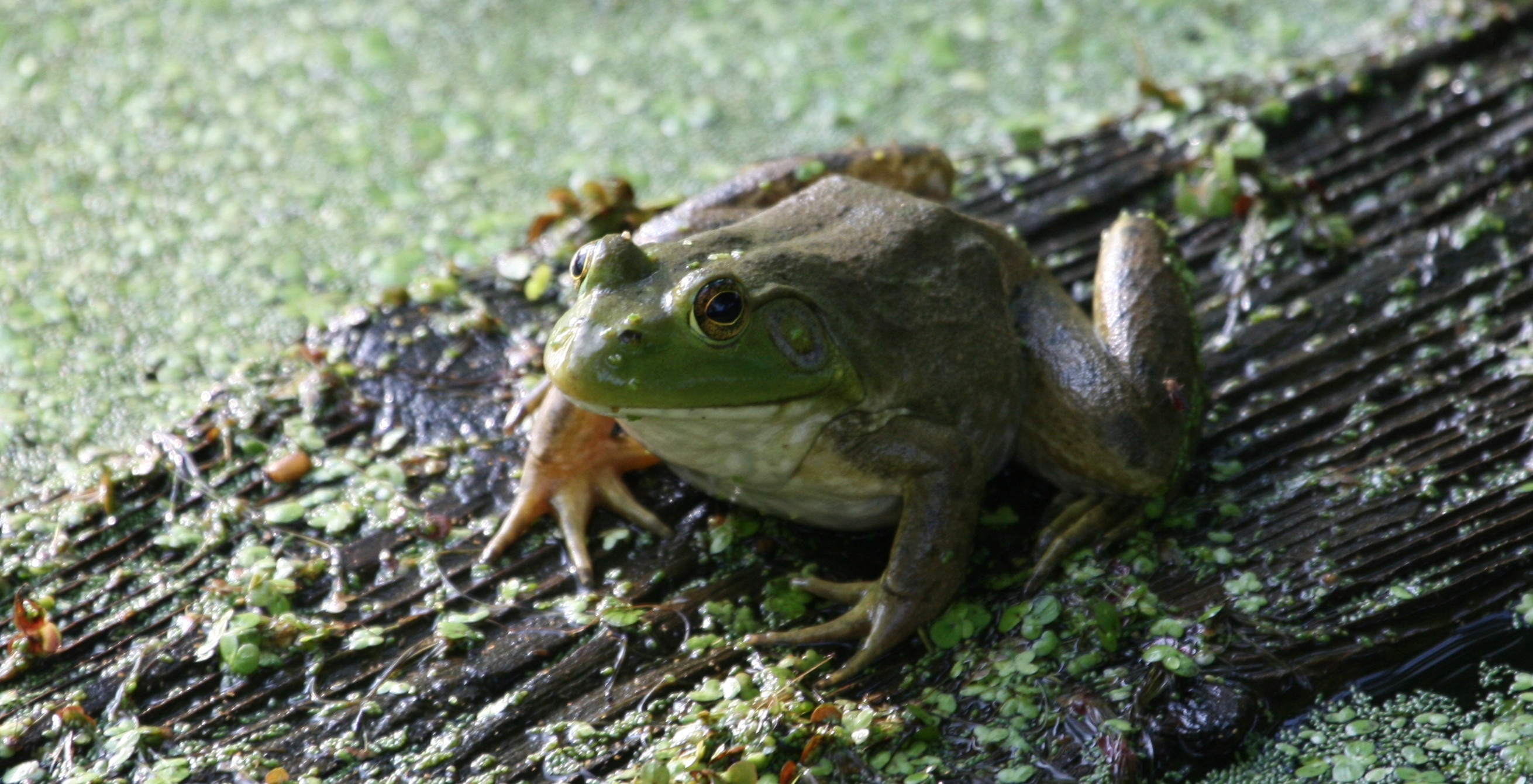
Every visit to the Wakarusa Wetlands brought with it a gasp of surprise, a moment of total joy, and a peaceful sigh. On this day, I clearly remember watching a group of Kingbirds chasing a Cooper’s hawk. The Cooper’s was carrying a Kingbird, his little lifeless leg hanging from a talon. I remember being disappointed that I could not focus fast enough to record this, but I also remember feeling empathy for both the Kingbirds chasing the hawk who had killed one of their family and the hawk desperately trying to get away with his food. I am often astonished by the life and death struggles that go on right outside we humans’ doors that so many of us never notice. I also remember this frog and his expression; he seemed curious about me, but like he might be trying to decide if he should jump away. The place at the Wetlands where I took this picture no longer exists.
© Chris Taylor